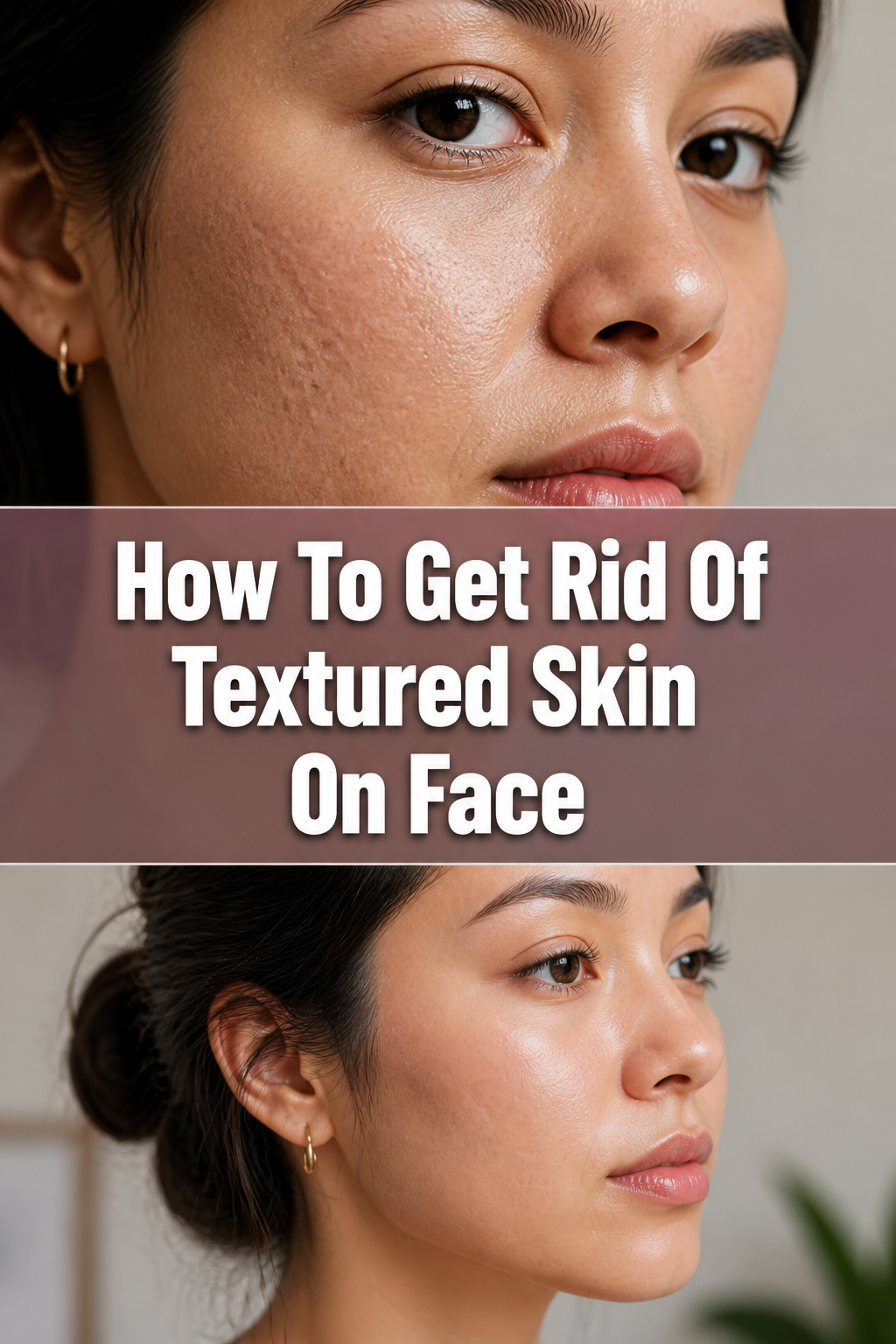
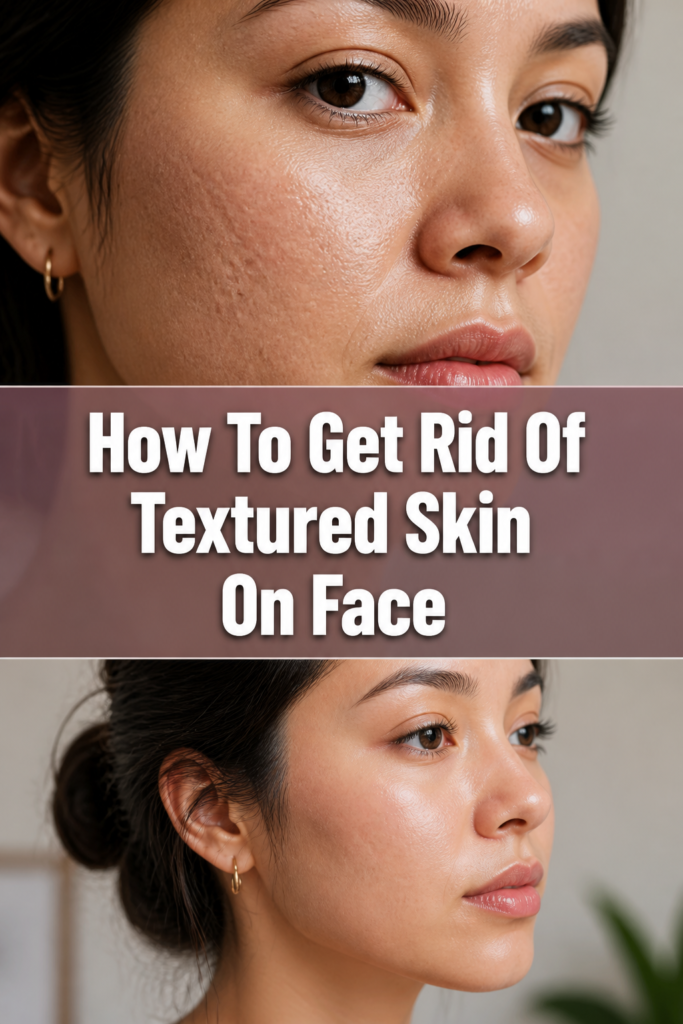
✨ How To Get Rid Of Textured Skin On Face
Dealing with textured skin can feel frustrating, making your complexion appear uneven and dull.
I’ve personally navigated the journey from rough patches to smoother skin, understanding the trial and error involved.
This guide shares practical, step-by-step advice based on effective skincare principles, designed to help you achieve a visibly smoother face.
Quick Overview
This guide will equip you with the knowledge and actionable steps to significantly improve the texture of your facial skin.
You’ll learn about proper exfoliation, hydration, protection, and maintenance strategies to reveal a smoother, more radiant complexion.
- Time needed: 4-8 weeks for noticeable improvement, ongoing for maintenance.
- Difficulty: Intermediate (requires consistency and understanding of product usage).
- What you’ll need: Gentle cleanser, chemical exfoliant (AHA/BHA), hydrating serum (hyaluronic acid), moisturizer, broad-spectrum SPF, optional retinoid.
Step-by-Step Instructions
Step 1: Understand Your Skin’s Texture
Before treating, it’s vital to understand what’s causing your textured skin.
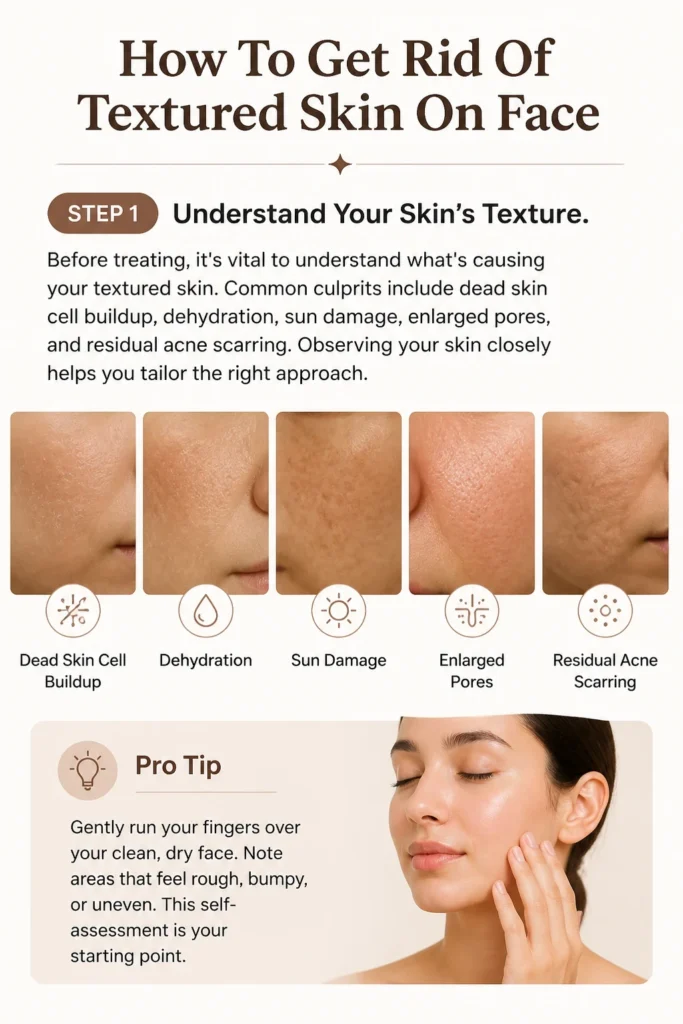
Common culprits include dead skin cell buildup, dehydration, sun damage, enlarged pores, and residual acne scarring.
Observing your skin closely helps you tailor the right approach.
Pro Tip: Gently run your fingers over your clean, dry face. Note areas that feel rough, bumpy, or uneven. This self-assessment is your starting point.
Step 2: Adopt a Gentle Cleansing Routine
A good skincare routine always begins with effective cleansing.
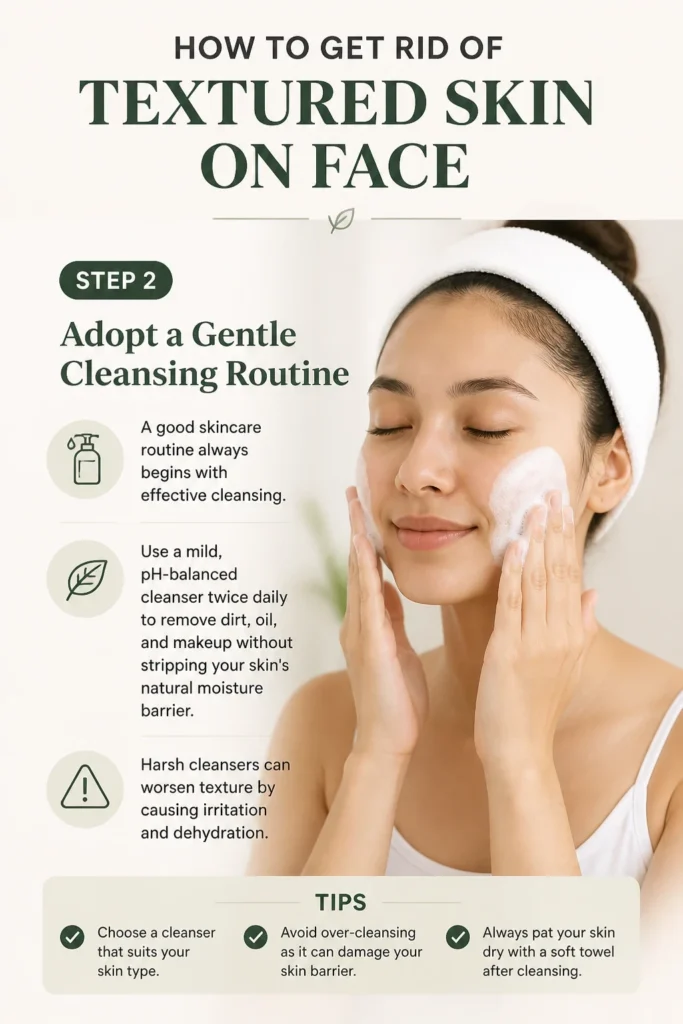
Use a mild, pH-balanced cleanser twice daily to remove dirt, oil, and makeup without stripping your skin’s natural moisture barrier.
Harsh cleansers can worsen texture by causing irritation and dehydration.
Step 3: Introduce Chemical Exfoliation (Wisely)
Chemical exfoliants are your best allies against textured skin. They dissolve the bonds between dead skin cells, revealing smoother skin underneath.
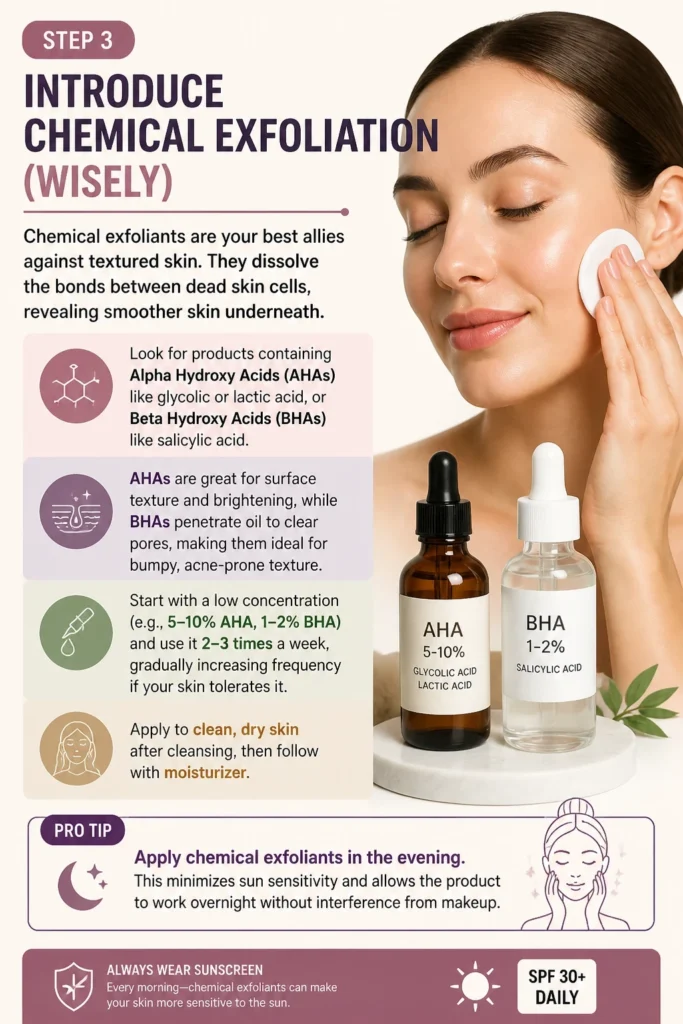
Look for products containing Alpha Hydroxy Acids (AHAs) like glycolic or lactic acid, or Beta Hydroxy Acids (BHAs) like salicylic acid.
AHAs are great for surface texture and brightening, while BHAs penetrate oil to clear pores, making them ideal for bumpy, acne-prone texture.
Start with a low concentration (e.g., 5-10% AHA, 1-2% BHA) and use it 2-3 times a week, gradually increasing frequency if your skin tolerates it.
Apply to clean, dry skin after cleansing, then follow with moisturizer.
Pro Tip: Apply chemical exfoliants in the evening. This minimizes sun sensitivity and allows the product to work overnight without interference from makeup or environmental stressors.
Step 4: Prioritize Deep Hydration
Dehydrated skin often looks and feels rougher. Proper hydration is crucial for a smooth, plump complexion.
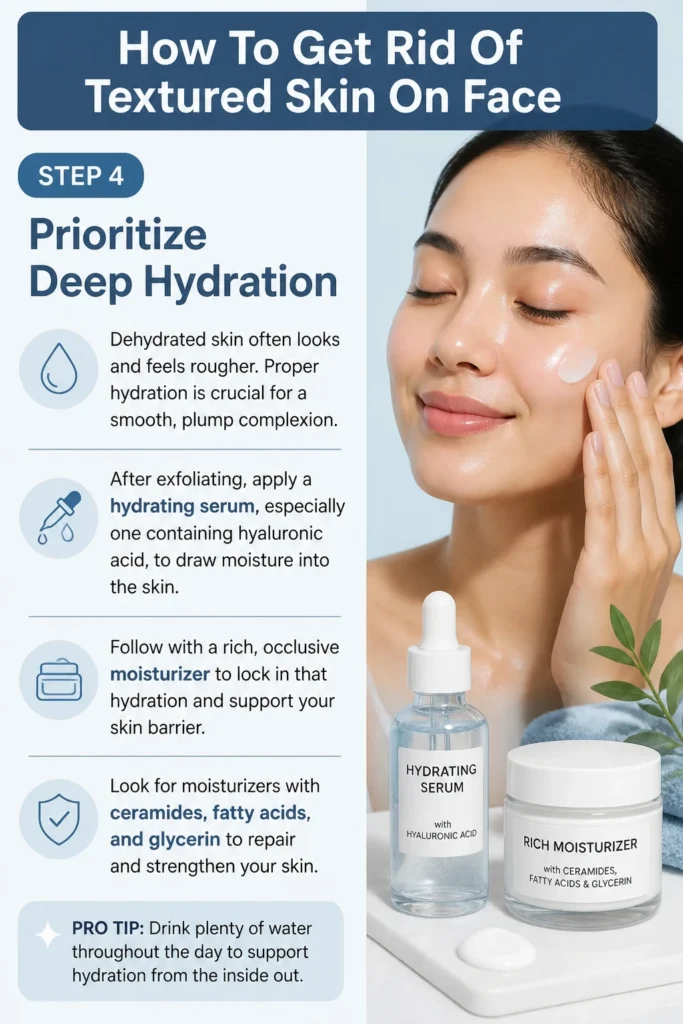
After exfoliating, apply a hydrating serum, especially one containing hyaluronic acid, to draw moisture into the skin.
Follow with a rich, occlusive moisturizer to lock in that hydration and support your skin barrier.
Look for moisturizers with ceramides, fatty acids, and glycerin to repair and strengthen your skin.
Step 5: Embrace Retinoids (Gradually)
Retinoids, derivatives of Vitamin A, are powerful ingredients for skin texture. They promote cell turnover, stimulate collagen production, and smooth out fine lines and bumps.
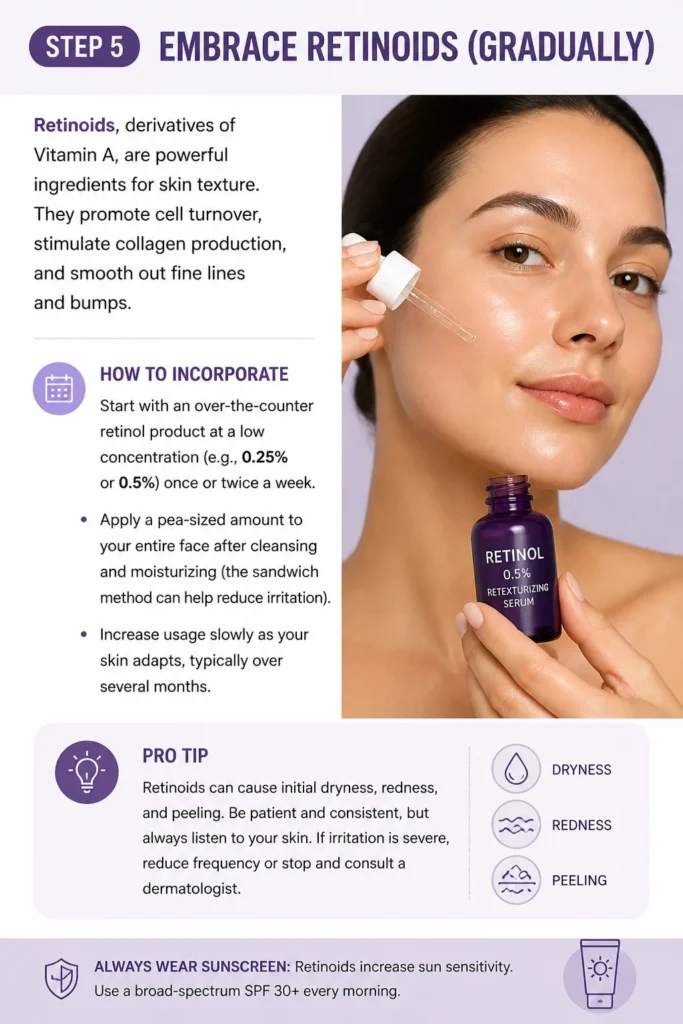
Start with an over-the-counter retinol product at a low concentration (e.g., 0.25% or 0.5%) once or twice a week.
Apply a pea-sized amount to your entire face after cleansing and moisturizing (the “sandwich method” can help reduce irritation).
Increase usage slowly as your skin adapts, typically over several months.
Pro Tip: Retinoids can cause initial dryness, redness, and peeling. Be patient and consistent, but always listen to your skin. If irritation is severe, reduce frequency or stop and consult a dermatologist.
Step 6: Never Skip Sun Protection
Sun damage is a primary cause of uneven skin texture, including roughness, fine lines, and hyperpigmentation.
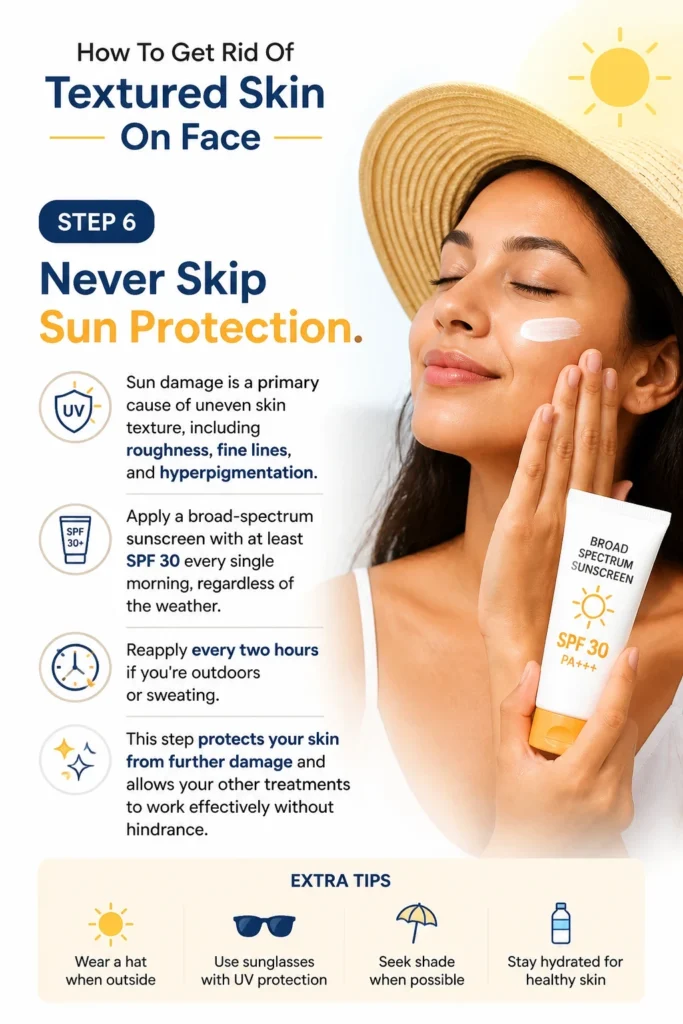
Apply a broad-spectrum sunscreen with at least SPF 30 every single morning, regardless of the weather.
Reapply every two hours if you’re outdoors or sweating.
This step protects your skin from further damage and allows your other treatments to work effectively without hindrance.
Step 7: Maintain a Consistent Routine
Achieving smooth skin is a marathon, not a sprint. Consistency is key.
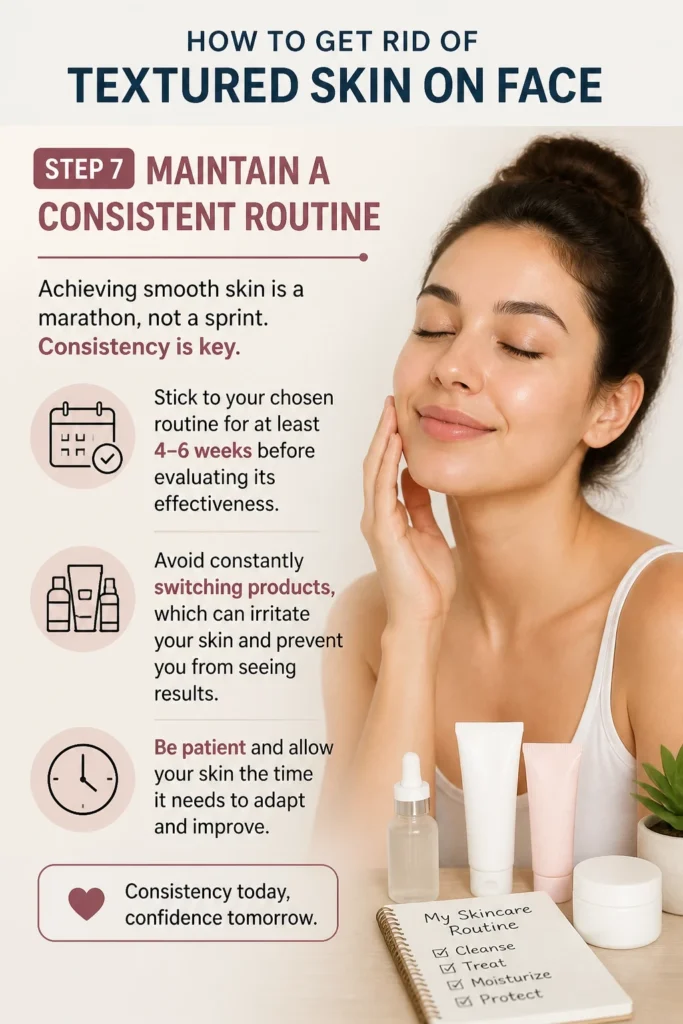
Stick to your chosen routine for at least 4-6 weeks before evaluating its effectiveness.
Avoid constantly switching products, which can irritate your skin and prevent you from seeing results.
Be patient and allow your skin the time it needs to adapt and improve.
Common Mistakes to Avoid
Over-Exfoliating Your Skin
Many people believe more exfoliation equals faster results, but this is a common pitfall. Over-exfoliating can damage your skin barrier, leading to redness, irritation, increased sensitivity, and paradoxically, worse texture.
Stick to the recommended frequency for chemical exfoliants and avoid using multiple strong exfoliants at once. Your skin needs time to recover between treatments.
Ignoring Sun Protection
Skipping sunscreen negates the benefits of all your other efforts. UV radiation breaks down collagen and elastin, creates free radicals, and leads to new texture issues and hyperpigmentation.
Even on cloudy days or when indoors near windows, your skin is exposed. Make SPF an non-negotiable part of your daily routine to protect your progress.
Using Harsh Physical Scrubs
While physical exfoliation can be tempting for immediate smoothness, many scrubs contain abrasive particles that create micro-tears in the skin. This can lead to inflammation, barrier damage, and worsen uneven texture over time.
If you prefer physical exfoliation, opt for very gentle options or stick to chemical exfoliants which are generally safer and more effective for smoothing texture.
Not Being Patient or Consistent
Skin cell turnover takes time, typically around 28 days for adults. Any significant improvement in texture will require multiple cycles of cell renewal.
Don’t expect overnight miracles. Give your routine at least 4-8 weeks to show noticeable results and commit to long-term consistency for lasting changes.
Troubleshooting
Skin Feels Irritated or Red
If your skin feels sensitive, stings, or shows redness, you might be using too many active ingredients or introducing them too quickly. Reduce the frequency of your chemical exfoliants and retinoids.
Focus on barrier repair by using a gentle cleanser, a rich moisturizer, and a hydrating serum. Once irritation subsides, reintroduce actives slowly, one at a time, and less frequently.
No Visible Improvement After Several Weeks
Ensure you are consistently following all steps, especially exfoliation, hydration, and sun protection. Check the concentration of your active ingredients; you might need to gradually increase them if your skin tolerates it.
Consider consulting a dermatologist. They can recommend stronger prescription-strength retinoids, in-office treatments like professional peels, microdermabrasion, or laser therapy for stubborn texture issues.
Breakouts or Purging
When starting retinoids or strong chemical exfoliants, some people experience an initial “purging” phase, where breakouts temporarily worsen. This happens as the products accelerate cell turnover, bringing underlying congestion to the surface.
This phase typically lasts 2-6 weeks. Continue with your routine if the breakouts are manageable and not accompanied by extreme irritation. If it persists or is severe, consult a dermatologist.
Key Takeaways
- Gentle Cleansing is Fundamental: Always start with a mild, pH-balanced cleanser.
- Chemical Exfoliation is Key: AHAs and BHAs effectively smooth texture by removing dead skin cells.
- Hydration is Non-Negotiable: Keep skin plump and smooth with hydrating serums and moisturizers.
- Retinoids Offer Long-Term Benefits: Introduce them slowly for cell turnover and collagen stimulation.
- Sun Protection Prevents Damage: Daily SPF is crucial for maintaining and improving skin texture.
- Patience and Consistency Pay Off: Real results take time and a dedicated routine.
Frequently Asked Questions
Can textured skin be completely removed?
While you can significantly improve and smooth textured skin, complete “removal” depends on the underlying cause. For issues like dead skin buildup or dehydration, near-perfect smoothness is achievable. For deep acne scars or genetic pore size, improvement is substantial, but a completely flat, pore-less surface might not be realistic without advanced professional treatments.
How long does it take to see results?
Visible improvements in skin texture typically begin within 4-8 weeks of consistent use of chemical exfoliants and retinoids. More significant changes, especially for deeper texture issues, can take 3-6 months or even longer. Consistency and patience are the most important factors.
Are natural remedies effective for textured skin?
Some natural ingredients like honey or aloe vera can offer hydration or anti-inflammatory benefits, but they generally lack the potent, targeted action of scientifically formulated chemical exfoliants or retinoids for significant texture improvement. For best results, rely on proven active ingredients.
When should I see a dermatologist?
Consider seeing a dermatologist if your textured skin is severe, persistent, or accompanied by painful breakouts. They can diagnose specific conditions, prescribe stronger treatments (like prescription retinoids), or recommend in-office procedures such as chemical peels, microdermabrasion, microneedling, or laser treatments for more dramatic and faster results.
Our Top Recommended Finds
- Gentle AHA/BHA Toner: A liquid exfoliant with a blend of AHAs and BHAs to gently resurface the skin without harsh scrubbing.
- Hydrating Hyaluronic Acid Serum: A lightweight serum that draws moisture into the skin, plumping it up and reducing the appearance of fine lines and roughness.
- Broad-Spectrum Mineral Sunscreen SPF 30+: A daily essential that protects your skin from harmful UV rays, preventing further texture damage and supporting healing.
Your Journey to Smoother Skin Starts Now
Transforming textured skin into a smooth, radiant complexion is an achievable goal with the right approach and dedication.
By understanding your skin, embracing gentle yet effective ingredients, and committing to consistency, you’re setting yourself up for success.
Start implementing these steps today and observe the beautiful changes unfolding in your skin.