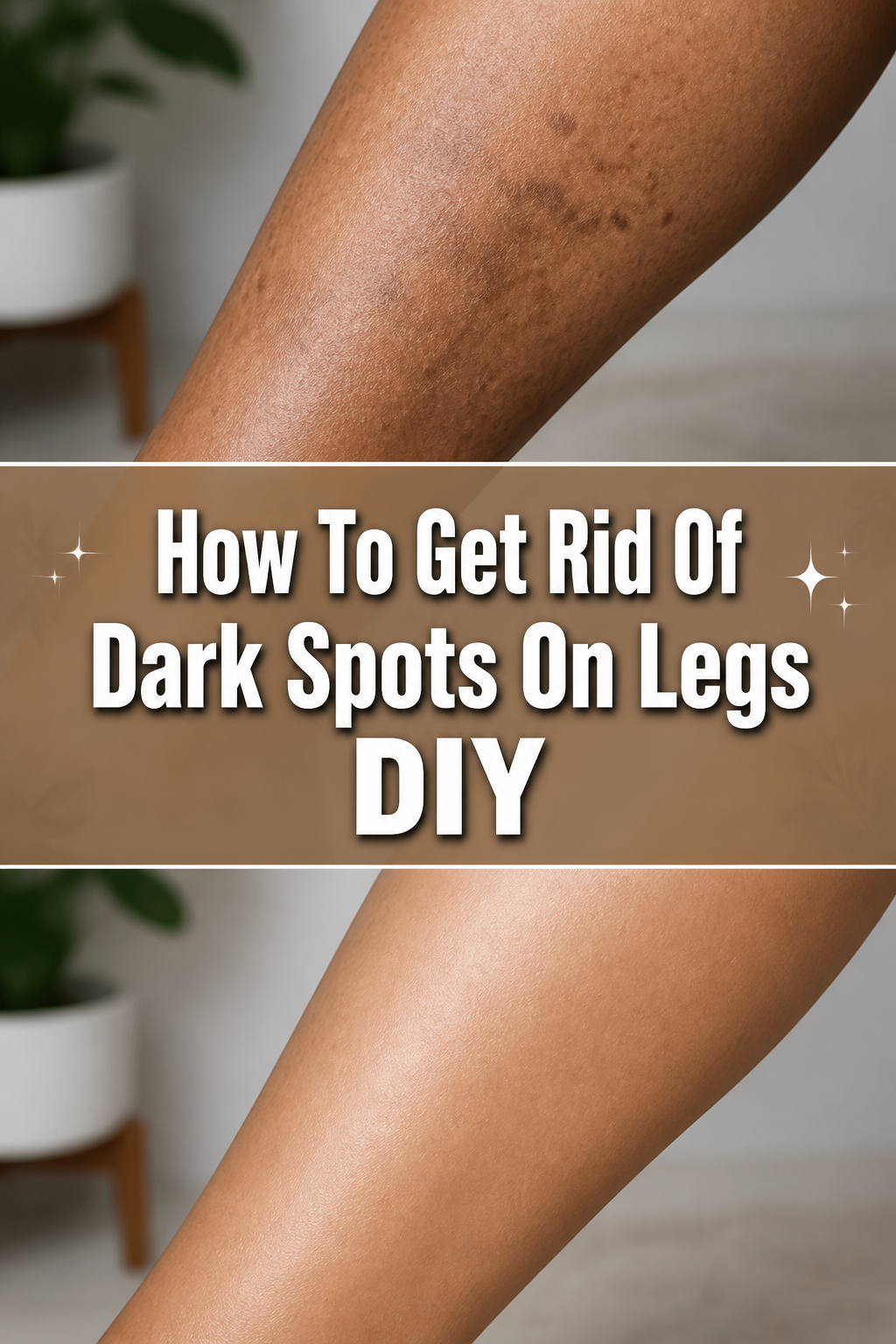
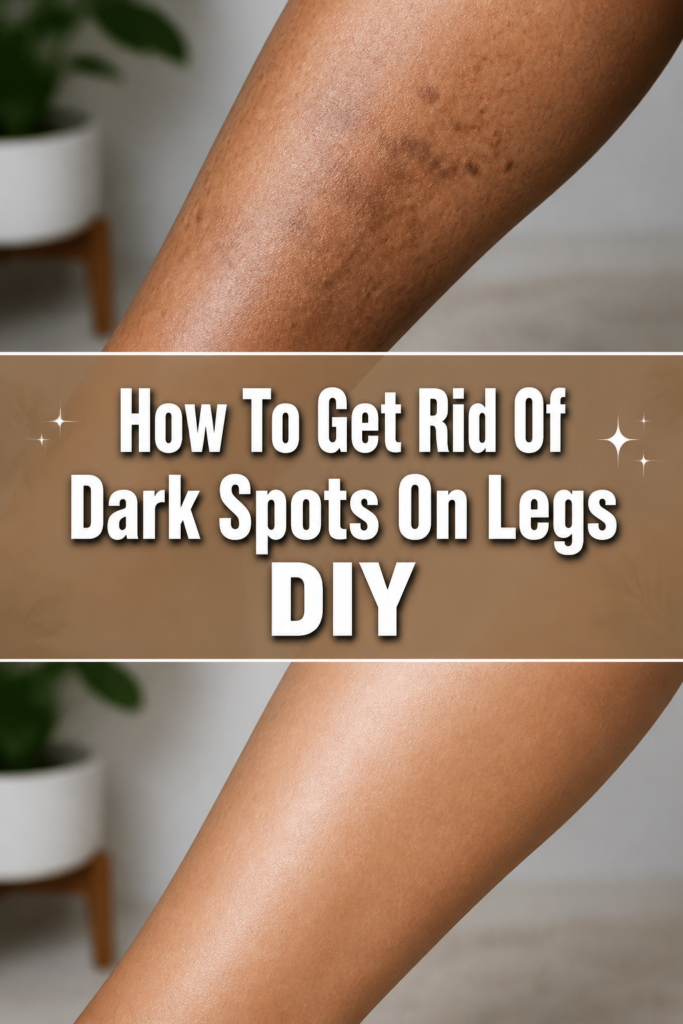
✨ How To Get Rid Of Dark Spots On Legs DIY
Dealing with dark spots on your legs can feel frustrating, making you hesitant to show off your skin. I’ve been there, covering up even on warm days because of stubborn discoloration. This guide shares practical, at-home methods that truly make a difference, based on my own successful journey.
You can achieve smoother, more even-toned legs without expensive treatments. Let’s get started on revealing the confident skin you deserve.
Quick Overview
This guide will walk you through gentle, effective DIY strategies to fade hyperpigmentation on your legs. You’ll learn how to identify causes, prepare natural remedies, and maintain your results for lasting improvement.
- Time needed: 15-30 minutes per session (2-3 times a week)
- Difficulty: Beginner
- What you’ll need: Gentle exfoliants, natural brightening ingredients (lemon, yogurt, honey), moisturizers, sunscreen
Step-by-Step Instructions
Step 1: Understand the Cause of Your Dark Spots
Before you treat, it’s helpful to understand why those spots appeared. Dark spots, or post-inflammatory hyperpigmentation, often result from skin trauma. This can include ingrown hairs, insect bites, razor bumps, or even minor cuts and scrapes.
Identifying the root cause helps prevent new spots from forming while you treat existing ones. Consider recent activities or skin irritations that might have led to the discoloration.
Pro Tip: Keep a small journal to track potential triggers. Note down new spots and what might have caused them. This awareness is your first line of defense.
Step 2: Gently Exfoliate Regularly
Exfoliation is crucial for removing dead skin cells that make dark spots appear more prominent. It also helps new, lighter skin cells come to the surface. However, gentleness is key to avoid further irritation.
Choose a mild physical scrub or an enzymatic exfoliant. Physical scrubs with fine grains, like sugar or coffee grounds mixed with oil, work well. Apply in circular motions.
Perform this step 2-3 times a week. Over-exfoliating can worsen hyperpigmentation, so always listen to your skin.
Step 3: Create a Natural Brightening Mask
Nature offers several powerful ingredients to lighten dark spots. Combining them into a mask can deliver concentrated benefits. These ingredients work by gently inhibiting melanin production or providing mild bleaching effects.
Mix together ingredients like lemon juice, yogurt, honey, or turmeric. Lemon juice contains natural alpha-hydroxy acids (AHAs) and vitamin C, known for brightening. Yogurt has lactic acid, a mild exfoliant.
Apply your chosen concoction to the affected areas. Leave it on for 15-20 minutes before rinsing thoroughly with lukewarm water.
Pro Tip: Always do a patch test on a small, inconspicuous area of skin before applying any new mixture all over. This helps check for potential allergic reactions or sensitivities.
Step 4: Hydrate and Moisturize Diligently
Moisturized skin heals better and looks healthier. When your skin barrier is strong, it’s less prone to irritation and subsequent hyperpigmentation. Hydration also improves skin texture and elasticity.
Apply a rich, hydrating moisturizer immediately after showering or after your brightening mask. Look for ingredients like hyaluronic acid, shea butter, or ceramides. These help lock in moisture.
Repeat this moisturizing step twice daily, morning and night. Consistent hydration supports cell turnover and overall skin health.
Step 5: Prioritize Sun Protection
Sun exposure is a major culprit for worsening dark spots and preventing them from fading. UV rays stimulate melanin production, making existing spots darker and triggering new ones. This step is non-negotiable for success.
Apply a broad-spectrum sunscreen with an SPF of 30 or higher to your legs every day. Do this even on cloudy days or if you’ll only be outside for a short time. Reapply every two hours if you’re sweating or swimming.
Wear protective clothing like long skirts or pants when spending extended time outdoors. Physical barriers offer excellent sun protection without needing reapplication.
Step 6: Maintain a Healthy Lifestyle
Your skin health reflects your overall well-being. A balanced diet and sufficient hydration contribute significantly to skin repair and regeneration. This internal care supports your external DIY efforts.
Incorporate antioxidant-rich foods like berries, leafy greens, and nuts into your diet. These nutrients help combat free radical damage. Drink plenty of water throughout the day to keep your skin plump and hydrated from within.
Ensure you get adequate sleep. Your body repairs itself, including your skin, during sleep. Aim for 7-9 hours of quality rest each night.
Step 7: Be Patient and Consistent
Fading dark spots is not an overnight process. Hyperpigmentation can take weeks or even months to lighten significantly. Consistency in your routine is more important than intensity.
Stick to your chosen DIY regimen faithfully. Perform your exfoliation, masks, and moisturizing steps regularly. Skipping days will slow down your progress.
Take progress photos every few weeks. This can be incredibly motivating as it allows you to visually track the subtle improvements over time.
Common Mistakes to Avoid
Over-Exfoliating Your Skin
Many people think more exfoliation means faster results, but this is a common pitfall. Excessive scrubbing or using harsh exfoliants can irritate the skin, leading to inflammation. This inflammation can actually worsen dark spots or create new ones, a process known as post-inflammatory hyperpigmentation. Always use gentle pressure and stick to exfoliating 2-3 times a week at most.
Skipping Sun Protection
Neglecting sunscreen is perhaps the biggest mistake when treating dark spots. Even if you’re diligently using brightening treatments, exposure to UV rays will reactivate melanin production. This makes your existing spots darker and prevents new skin from retaining an even tone. Make daily, consistent sun protection a non-negotiable part of your routine.
Using Harsh or Irritating Ingredients
While some natural ingredients are effective, others can be too strong for sensitive skin. Pure, undiluted essential oils or very high concentrations of acids can cause burns or severe irritation. Always dilute potent ingredients and perform a patch test before applying them widely. If a product stings or burns, rinse it off immediately.
Expecting Instant Results
Dark spots don’t disappear overnight, and expecting them to can lead to frustration and giving up too soon. Skin cell turnover takes time, and fading hyperpigmentation is a gradual process. Be patient and consistent with your DIY treatments, understanding that visible improvements may take several weeks or even months.
Troubleshooting
Skin Irritation or Redness
If you notice increased redness, itching, or irritation after applying a DIY remedy, your skin might be reacting negatively to an ingredient. This is a sign to stop using that particular mixture immediately.
Rinse the area thoroughly with cool water and apply a soothing, fragrance-free moisturizer. Consider simplifying your routine to just gentle cleansing and moisturizing for a few days to allow your skin to recover. When reintroducing treatments, try one ingredient at a time to identify the culprit.
Dark Spots Not Fading After Several Weeks
If you’ve been consistent for 6-8 weeks and see minimal improvement, your dark spots might be more stubborn or deeply rooted. It’s possible the DIY methods are not strong enough for your specific type of hyperpigmentation.
Consider consulting a dermatologist for professional advice. They can offer stronger topical treatments or in-office procedures like chemical peels or laser therapy. Sometimes, a combination of DIY and professional care yields the best results.
New Dark Spots Appearing
The appearance of new dark spots while you’re treating old ones suggests an ongoing trigger. Re-evaluate your daily habits for potential causes like new shaving routines, tight clothing, or increased sun exposure.
Ensure you’re using a fresh razor blade every few uses and shaving in the direction of hair growth to minimize irritation. Also, be meticulous with your sun protection. Identifying and eliminating the trigger is crucial to stop the cycle of new spot formation.
Key Takeaways
- Identify the underlying cause of your dark spots to prevent future discoloration.
- Gentle and consistent exfoliation helps remove dead skin cells and reveals brighter skin.
- Natural brightening ingredients like lemon, yogurt, and honey can effectively lighten spots.
- Hydration and daily sun protection are essential for healing and preventing new hyperpigmentation.
- Patience and consistency are paramount, as fading dark spots is a gradual process.
- Listen to your skin and avoid harsh treatments that could cause further irritation.
Frequently Asked Questions
How long does it take for dark spots on legs to fade with DIY methods?
Fading dark spots is a gradual process that varies from person to person. With consistent daily application of DIY remedies and sun protection, you might start seeing noticeable improvements in 6-8 weeks. Significant fading can often take several months.
Can I use pure lemon juice directly on my skin?
It’s generally not recommended to use pure, undiluted lemon juice directly on your skin. Lemon juice is highly acidic and can cause irritation, dryness, or increased sun sensitivity. Always dilute it with water, honey, or yogurt, and perform a patch test first.
Are these DIY methods safe for all skin types?
Most natural ingredients are generally safe, but individual skin reactions can vary. People with very sensitive skin or certain skin conditions should exercise caution. Always perform a patch test before applying any new mixture to a larger area of your skin. If irritation occurs, discontinue use.
What if my dark spots are caused by ingrown hairs?
If ingrown hairs are the cause, addressing them is key. Gentle exfoliation helps prevent ingrown hairs, and using a clean, sharp razor or alternative hair removal methods can reduce their occurrence. Treating the ingrown hair first will help the associated dark spot fade more effectively.
Our Top Recommended Finds
- Gentle Sugar Scrub: Look for a body scrub with fine sugar granules and nourishing oils. This provides effective exfoliation without being too harsh on your skin.
- Hydrating Body Lotion with Ceramides: A rich, fragrance-free lotion helps repair your skin barrier and lock in moisture. Ceramides are excellent for skin health.
- Broad-Spectrum SPF 30+ Sunscreen: Choose a non-comedogenic formula that’s easy to apply and doesn’t leave a white cast. Daily use is crucial for preventing and fading dark spots.
Embrace Your Journey to Clearer Skin
Taking charge of your skin’s health is a powerful step towards confidence. You now have a comprehensive, practical guide to tackle those stubborn dark spots on your legs using effective DIY methods. Remember, consistency and patience are your best allies on this journey.
Start today by choosing one small step, perhaps making that first brightening mask or committing to daily sunscreen. Your legs deserve the same care and attention as the rest of your skin. Keep going, and you’ll soon see the beautiful, even-toned results you’re working towards.