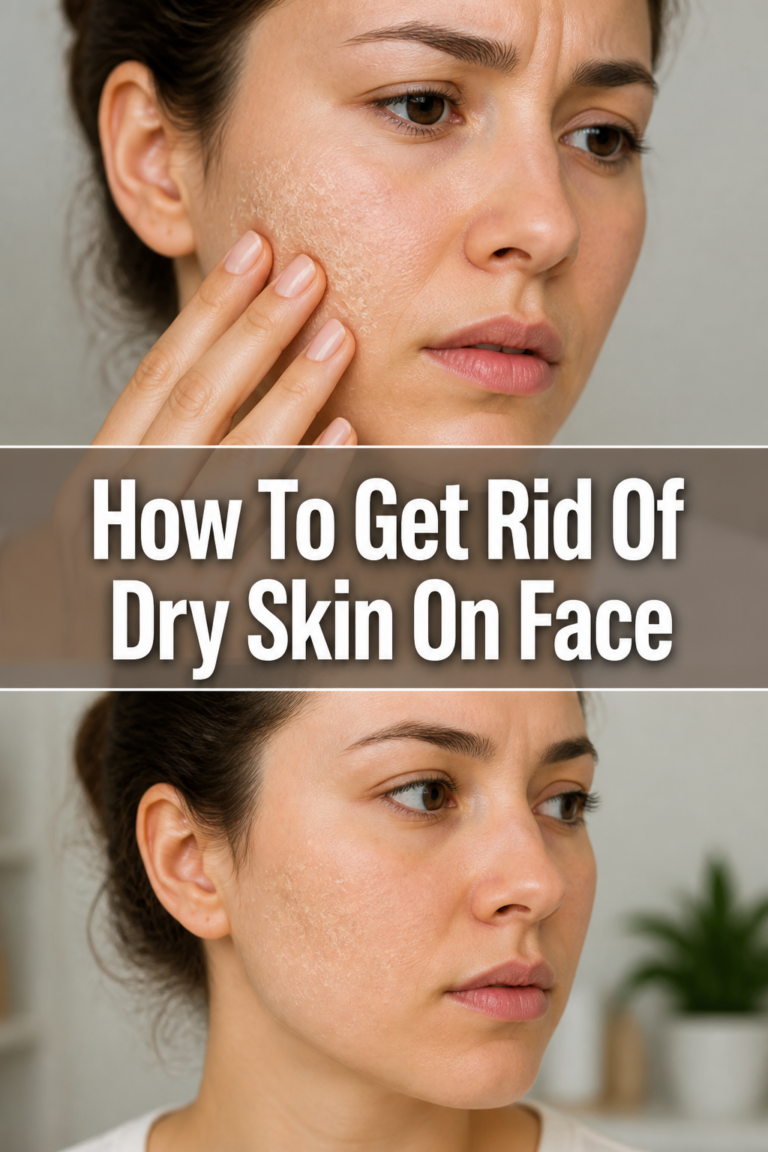
✨ How To Get Rid Of Black Spots On Face
Dealing with black spots on your face can feel incredibly frustrating.
I know the feeling of looking in the mirror and wishing for an even, clear complexion.
This guide compiles practical, science-backed steps to help you fade those spots and reclaim your skin’s radiance.

Quick Overview
This guide will equip you with a comprehensive plan to understand, treat, and prevent black spots on your face.
You’ll learn about key ingredients, routines, and when to seek professional help.
- Time needed: 4-12 weeks for noticeable results, ongoing commitment for lasting clear skin.
- Difficulty: Intermediate
- What you’ll need: Broad-spectrum SPF 30+, gentle cleanser, moisturizer, specific active ingredients (e.g., Vitamin C serum, alpha hydroxy acids, retinoids).
Step-by-Step Instructions
Step 1: Understand Your Spots and Their Causes
Before treating, it’s vital to understand what kind of black spots you have. Common types include post-inflammatory hyperpigmentation (PIH) from acne, sun spots (lentigines), and melasma.
Knowing the cause helps tailor your treatment plan for maximum effectiveness.
Pro Tip: Take a clear photo of your skin before starting any new routine. This helps you track progress over time, even subtle changes.
Step 2: Prioritize Daily Sun Protection
Sun exposure is the number one culprit for creating and worsening black spots. UV radiation stimulates melanin production, making existing spots darker and triggering new ones.
This step is non-negotiable for anyone serious about fading hyperpigmentation.
- Apply a broad-spectrum sunscreen with an SPF of 30 or higher every single morning.
- Reapply every two hours if you’re outdoors, sweating, or swimming.
- Seek shade and wear wide-brimmed hats when possible for extra protection.
Step 3: Cleanse Gently and Consistently
A good skincare routine starts with a clean canvas. Harsh cleansers can irritate the skin, potentially leading to more inflammation and darker spots.
Choose a cleanser that supports your skin barrier.
- Wash your face twice daily, morning and night, using a mild, pH-balanced cleanser.
- Use lukewarm water and your fingertips to gently massage the cleanser onto your skin.
- Rinse thoroughly and pat your face dry with a clean, soft towel.
Step 4: Introduce Targeted Brightening Ingredients
Certain active ingredients are highly effective at reducing melanin production and promoting cell turnover, which helps fade black spots.
Start with one new active ingredient at a time to monitor your skin’s reaction.
- Vitamin C: Apply a Vitamin C serum (10-20%) in the morning after cleansing. It’s a powerful antioxidant that brightens skin and protects against environmental damage.
- Niacinamide (Vitamin B3): Use a serum with 5-10% niacinamide. It helps reduce inflammation, improve skin barrier function, and inhibit melanin transfer to skin cells.
- Alpha Hydroxy Acids (AHAs): Consider a gentle AHA serum (like glycolic or lactic acid) 2-3 times a week in your evening routine. AHAs exfoliate the skin’s surface, helping to shed pigmented cells.
Step 5: Consider Retinoids for Deeper Impact
Retinoids (Vitamin A derivatives) are powerful ingredients known for accelerating cell turnover and improving skin tone and texture. They can significantly help with stubborn black spots.
Start slowly, as retinoids can cause initial irritation.
- Begin by applying a pea-sized amount of a gentle retinoid (e.g., retinaldehyde or a low-strength retinol) 2-3 nights a week.
- Apply to clean, dry skin after cleansing, before moisturizing.
- Gradually increase frequency as your skin tolerates it, potentially moving to every other night or nightly.
Pro Tip: The “sandwich method” can help reduce retinoid irritation: apply a thin layer of moisturizer, then your retinoid, then another layer of moisturizer.
Step 6: Moisturize and Hydrate Daily
Keeping your skin well-hydrated is crucial for a healthy skin barrier. A compromised barrier can lead to irritation, making black spots worse.
Choose a non-comedogenic moisturizer suitable for your skin type.
- Apply a rich moisturizer after all your active treatments, both morning and night.
- Look for ingredients like hyaluronic acid, ceramides, and glycerin to support skin hydration and barrier function.
Step 7: Be Patient and Consistent
Fading black spots is not an overnight process. Skin cell turnover takes time, and results accumulate gradually.
Consistency is far more important than intensity.
- Stick to your routine daily, even when you don’t see immediate changes.
- Expect to see noticeable improvements in 4-12 weeks, with continued fading over several months.
- Avoid constantly changing products, which can confuse your skin and prevent you from seeing a product’s true efficacy.
Step 8: Know When to Consult a Professional
If your black spots are stubborn, widespread, or don’t respond to over-the-counter treatments, a dermatologist can offer stronger solutions.
Professional guidance can provide faster and more targeted results.
- Schedule an appointment with a board-certified dermatologist.
- Discuss professional treatments like prescription retinoids, hydroquinone, chemical peels, laser therapy, or microneedling.
- Follow their advice carefully and maintain your at-home routine as instructed.
Common Mistakes to Avoid
Over-Exfoliating Your Skin
Many people believe that scrubbing or using too many strong exfoliants will quickly remove black spots. This often leads to irritated, inflamed skin, which can actually worsen hyperpigmentation.
Stick to a gentle exfoliation schedule (2-3 times a week with AHAs/BHAs or retinoids) and avoid harsh physical scrubs.
Skipping Sunscreen, Even Indoors or on Cloudy Days
UV rays penetrate clouds and windows, constantly stimulating melanin production. Thinking you’re safe indoors or on an overcast day is a common pitfall.
Make broad-spectrum SPF a daily, non-negotiable habit, regardless of the weather or your immediate location.
Picking or Squeezing Blemishes
Any trauma to the skin, especially from picking at acne or blackheads, can trigger post-inflammatory hyperpigmentation (PIH). This creates new black spots where blemishes once were.
Resist the urge to pick. Let blemishes heal naturally or treat them gently with targeted spot treatments.
Expecting Instant Results and Giving Up Too Soon
Skin transformation takes time, typically several weeks to months for hyperpigmentation to fade. Many people get discouraged when they don’t see immediate changes and abandon their routine.
Patience and consistent adherence to your chosen regimen are key. Give products adequate time (at least 3 months) to work before evaluating their effectiveness.
Troubleshooting
Skin Irritation, Redness, or Peeling
This often occurs when introducing new active ingredients too quickly or using too high a concentration. It’s a sign your skin barrier might be compromised.
Reduce the frequency of your active ingredients (e.g., retinoids, AHAs) to 1-2 times a week. Focus on gentle cleansing and generous moisturizing for a few days until your skin recovers. Then, reintroduce actives very slowly.
No Noticeable Improvement After Several Weeks
If you’ve been consistent for 8-12 weeks and see minimal change, your current routine might not be strong enough or suitable for your specific type of hyperpigmentation.
Consider increasing the strength of your active ingredients (if tolerated) or introducing a new one. If spots are very stubborn, it’s a good time to consult a dermatologist for prescription-strength options or in-office treatments.
New Black Spots Appearing
The most common reason for new spots is inadequate sun protection. Even a little unprotected exposure can trigger new melanin production.
Re-evaluate your sunscreen application. Are you using enough? Reapplying frequently? Also, ensure you’re not causing new inflammation by picking at your skin or using irritating products.
Key Takeaways
- Consistent daily sun protection with SPF 30+ is the most critical step to prevent and fade black spots.
- Incorporate targeted active ingredients like Vitamin C, niacinamide, AHAs, or retinoids into your routine gradually.
- Gentle cleansing and regular moisturizing are essential for maintaining a healthy skin barrier and preventing further irritation.
- Patience and consistency are paramount; results take time, often several weeks to months.
- Avoid picking blemishes and over-exfoliating, as these actions can worsen hyperpigmentation.
- Consult a dermatologist for stubborn spots or if you need stronger, prescription-strength treatment options.
Frequently Asked Questions
What specifically causes black spots on the face?
Black spots, or hyperpigmentation, are primarily caused by an overproduction of melanin, the pigment that gives skin its color. This can be triggered by sun exposure (sun spots), inflammation from acne or injury (post-inflammatory hyperpigmentation), or hormonal changes (melasma).
Can diet impact black spots?
While diet doesn’t directly cause or cure black spots, a healthy, antioxidant-rich diet can support overall skin health. Foods high in antioxidants may help protect skin from oxidative stress, which can contribute to inflammation and hyperpigmentation. Staying hydrated is also beneficial for skin health.
How long does it typically take to see results?
Fading black spots requires patience. You can expect to see initial improvements in 4-12 weeks with consistent use of targeted treatments and diligent sun protection. Significant fading can take several months, and complete clearance may require professional treatments.
Are natural remedies effective for black spots?
Some natural ingredients like licorice root extract, turmeric, and aloe vera have anecdotal evidence or preliminary studies suggesting mild brightening effects. However, they are generally less potent and slower-acting than scientifically formulated active ingredients. Always patch test natural remedies to avoid irritation.
Our Top Recommended Finds
- Broad-Spectrum SPF 30+ Sunscreen: A mineral-based sunscreen with zinc oxide and titanium dioxide offers excellent protection without irritation.
- Vitamin C Serum: Look for a serum with 10-20% L-ascorbic acid, often combined with Vitamin E and ferulic acid for stability and efficacy.
- Gentle Hydrating Cleanser: A fragrance-free, non-foaming cleanser that removes impurities without stripping the skin’s natural oils.
Embrace Your Journey to Clearer, More Radiant Skin
Taking control of your skin’s health is a powerful step towards renewed confidence.
Remember, consistency and patience are your greatest allies in fading black spots.
Start implementing these steps today and watch your skin transform over time.