🧖♀️ How To Do Facial At Home Step By Step
I have spent years experimenting with professional-grade skincare routines in the comfort of my own bathroom.
Through trial and error, I discovered that you do not need a high-end spa appointment to achieve a radiant, healthy glow.
This guide shares the exact techniques I use to maintain clear skin while saving hundreds of dollars on professional treatments.

Quick Overview
This routine is designed to deeply cleanse, hydrate, and rejuvenate your skin using standard products you likely already own.
- Time needed: 45 to 60 minutes
- Difficulty: Beginner
- What you’ll need: Oil cleanser, water-based cleanser, exfoliant, facial steamer or bowl of hot water, face mask, toner, serum, and moisturizer.
Step-by-Step Instructions
Step 1: Start with a Double Cleanse
Begin by applying a high-quality cleansing oil or balm to your dry face. This first layer works to dissolve makeup, sunscreen, and the oily sebum that builds up throughout the day.
Massage the oil into your skin for at least sixty seconds using gentle, upward circular motions. Focus on areas where you tend to get congested, such as the sides of your nose and your chin.
Rinse with lukewarm water and immediately follow up with a water-based gel or cream cleanser. This second step removes any remaining residue and ensures your pores are perfectly clear for the next stages.
Pro Tip: Use a soft microfiber cloth to remove your oil cleanser if you have stubborn waterproof makeup or heavy sunscreen.
Step 2: Exfoliate to Reveal Fresh Skin
Apply your chosen exfoliant to damp skin, choosing between a physical scrub or a chemical exfoliant like an AHA or BHA. Physical scrubs use small granules to buff away dead skin, while chemical versions use acids to dissolve the “glue” holding dead cells together.
Work the product into your skin very gently, as your goal is to brighten the complexion without causing micro-tears or irritation. If you are using a chemical exfoliant, follow the package directions regarding how long to let it sit before rinsing.
Avoid the delicate area around your eyes during this step, as that skin is much thinner and more prone to damage. Once finished, rinse your face thoroughly with cool water to soothe the surface.
Step 3: Steam to Open the Pores
Prepare a facial steamer or a large bowl of hot water to create a gentle steam environment for your face. Steaming helps to soften the debris inside your pores, making it much easier to clear out impurities in the following steps.
Drape a large towel over your head and the bowl to trap the steam, keeping your face about ten inches away from the water. Stay in this position for five to ten minutes, breathing deeply and allowing the warmth to relax your facial muscles.
Add a drop of essential oil like lavender or eucalyptus to the water if you want to create a more authentic spa experience at home. Be careful not to use water that is boiling hot, as the intense heat can actually burst small capillaries in your skin.
Pro Tip: If you have active cystic acne or rosacea, skip the steam or use a lukewarm damp towel instead to avoid worsening inflammation.
Step 4: Perform Gentle Extractions
Check your skin in a magnifying mirror to identify any blackheads or clogged pores that are ready to be cleared. Only attempt extractions on blemishes that have a visible white or black head and feel “loose” after the steaming process.
Wrap your index fingers in clean tissue paper or use a sterilized extraction tool to apply very light pressure to the sides of the clog. Press down and then slightly inward, but stop immediately if the blemish does not release easily.
Cleanse the area with a bit of toner or antiseptic after you finish to prevent bacteria from spreading to other parts of your face. Never pick at deep, red, or painful bumps, as this will lead to scarring and further infection.
Step 5: Indulge in a Facial Massage
Apply a few drops of facial oil or a rich cream to your hands to provide “slip” so you don’t pull on your skin. Massage is one of the most important parts of a facial because it boosts blood circulation and encourages lymphatic drainage.
Sweep your fingers from the center of your chin upward toward your ears, and from the bridge of your nose out toward your temples. Use firm but gentle pressure to “sculpt” the jawline and reduce puffiness under the cheekbones.
Tap your fingertips lightly all over your face, a technique known as tapotement, to wake up the skin and give it a healthy flush. Spend about five minutes on this step to ensure your facial muscles are completely relaxed.
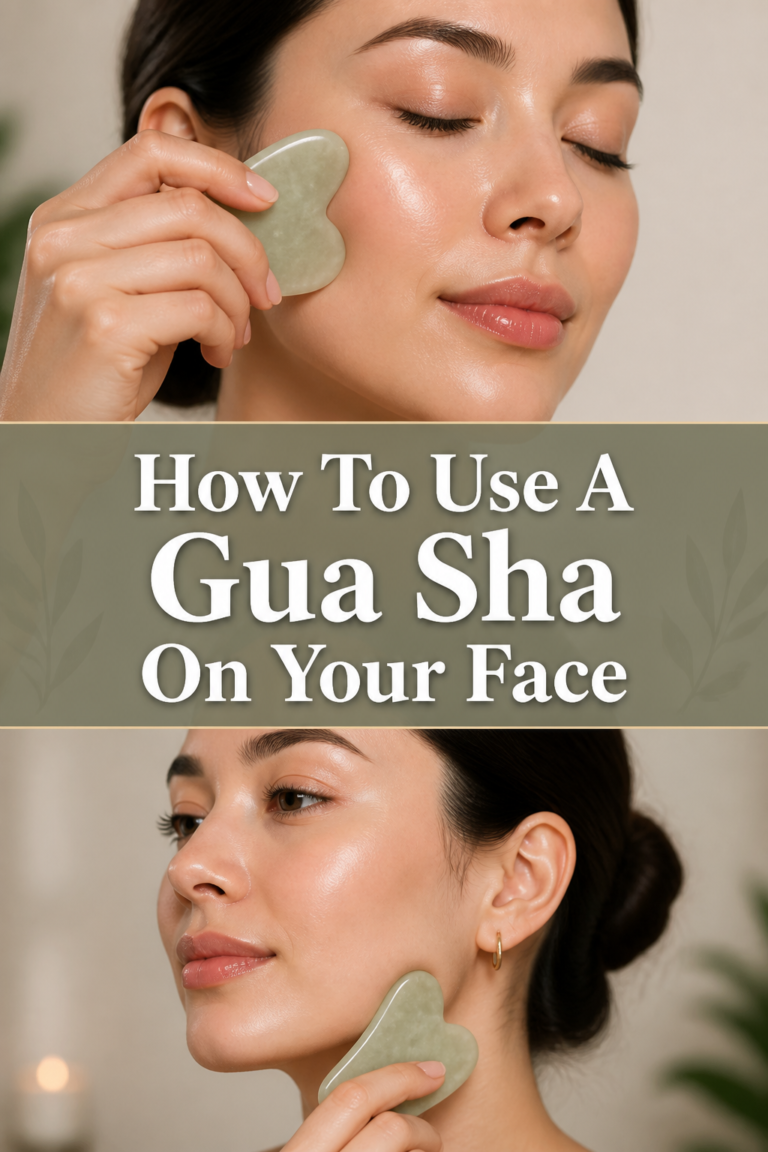
Pro Tip: Use a jade roller or Gua Sha tool during this step to stay consistent with your pressure and keep the skin cool.
Step 6: Apply a Targeted Face Mask
Select a mask based on your current skin concerns, such as a clay mask for oily skin or a hydrating cream mask for dryness. You can also “multi-mask” by applying a detoxifying clay to your T-zone and a moisturizing formula to your cheeks.
Spread an even layer over your entire face and neck, then set a timer for ten to fifteen minutes. This is the perfect time to lie down, close your eyes, and let the ingredients penetrate deep into your skin.
Remove the mask using a warm, damp washcloth, being careful not to scrub too hard. If you are using a sheet mask, simply peel it off and pat the remaining essence into your skin rather than washing it away.
Step 7: Rebalance with Toner
Saturate a cotton pad with an alcohol-free toner or mist a hydrating essence directly onto your face. This step is crucial for restoring your skin’s natural pH balance, which can be disrupted during the cleansing and exfoliation phases.
Swipe the pad gently across your skin to remove any lingering traces of the mask or hard water minerals. Look for toners containing ingredients like rose water, witch hazel, or glycerin to soothe and prep the skin.
Press the product into your skin with your palms if you prefer a more hands-on approach. This ensures that your skin is damp and ready to absorb the concentrated treatments that come next.
Step 8: Treat with Serums and Actives
Dispense a few drops of your favorite serum, such as Vitamin C for brightening or Hyaluronic Acid for intense hydration. Serums have smaller molecules than moisturizers, allowing them to deliver active ingredients deeper into the dermis.
Pat the serum into your skin using your fingertips rather than rubbing it in, which helps prevent unnecessary friction. If you are using multiple serums, apply them from the thinnest consistency to the thickest.
Wait about thirty seconds between layers to give each product time to settle. This prevents the products from “pilling” or rolling off the surface of your skin when you apply your final layers.
Pro Tip: Apply Hyaluronic Acid to slightly damp skin to help it pull moisture into the cells more effectively.
Step 9: Seal Everything with Moisturizer
Warm a dime-sized amount of moisturizer between your fingertips before pressing it onto your face and neck. This final layer acts as a seal, locking in all the hydration and active ingredients you applied in the previous steps.
Choose a heavier cream if you are doing your facial at night, or a lightweight lotion if you are starting your day. Don’t forget to apply the product to your neck and chest, as these areas show signs of aging just as quickly as the face.
Massage the moisturizer in using upward strokes to continue the lifting effect from your earlier massage. This creates a protective barrier that keeps your skin soft and supple for hours after the treatment.
Step 10: Finish with Eye Cream and Lip Care
Dab a tiny amount of eye cream around the orbital bone using your ring finger, which provides the lightest touch. The skin around the eyes has no oil glands, so it requires extra moisture to prevent fine lines and dark circles.
Apply a nourishing lip balm or a lip mask to finish the entire process. Your lips can become dry during the steaming and masking phases, so they need a bit of dedicated attention at the end.
Take a final look in the mirror and enjoy the immediate results of your hard work. Your skin should look plump, bright, and significantly smoother than when you started.
Common Mistakes to Avoid
Using Water That Is Too Hot
Many people believe that hot water is better for cleaning pores, but it actually strips away essential oils. This can lead to a damaged skin barrier, causing redness, dryness, and even increased oil production as the skin tries to compensate. Always use lukewarm water for rinsing and keep your steam at a comfortable temperature.
Over-Exfoliating Sensitive Areas
It is tempting to scrub hard at areas with blackheads or rough patches, but this often causes more harm than good. Excessive physical pressure can create tiny tears in the skin that invite bacteria and lead to breakouts. Be particularly careful around the cheeks and nose, where the skin is thinner and more prone to visible redness.
Neglecting the Neck and Chest
A facial shouldn’t stop at your jawline. The skin on your neck and décolletage is very thin and frequently exposed to the sun, yet it is often ignored during home treatments. Always carry your cleansers, masks, and moisturizers all the way down to your chest to ensure a uniform, youthful appearance.
Troubleshooting
Persistent Redness or Irritation
If your skin looks very red or feels like it is stinging after the facial, you may have used a product that was too strong. Immediately rinse your face with cool water and apply a plain, fragrance-free moisturizer or aloe vera gel. Avoid using any active ingredients like retinol or acids for at least 48 hours to allow your skin to recover.
Sudden Breakouts After the Facial
Sometimes the skin “purges” after a deep cleaning because the steam and massage have brought underlying congestion to the surface. This is usually temporary and should clear up within a few days. However, if the breakouts are itchy or look like a rash, you might be having a reaction to a specific ingredient in one of your products.
Skin Feeling Tight or Dry
If your face feels uncomfortably tight after your routine, you likely over-cleansed or used a mask that was too drying. Next time, reduce the time you leave the clay mask on or switch to a more hydrating cleanser. For immediate relief, apply a facial oil over your moisturizer to provide an extra layer of nourishment.
Key Takeaways
- Double cleansing is the foundation of a professional-level home facial.
- Steaming should be done for no more than ten minutes to avoid broken capillaries.
- Massage techniques are essential for boosting circulation and giving the skin a natural lift.
- Always choose masks and serums based on your specific skin type and current concerns.
- Consistency is more important than using expensive products; a monthly home facial can transform your skin.
- Never skip the final steps of toning and moisturizing to lock in the benefits of the treatment.
Frequently Asked Questions
How often should I do a full at-home facial?
For most skin types, once every two to four weeks is ideal. This timeline aligns with your skin’s natural cell turnover cycle, allowing you to remove dead skin without causing irritation. Doing a full facial more often than once a week can lead to over-exfoliation and a weakened skin barrier.
Can I do a facial if I have active acne?
Yes, but you must be extremely gentle. Skip the physical scrubs and heavy facial massage, as these can spread bacteria and cause further inflammation. Focus on soothing ingredients like salicylic acid, green tea, and niacinamide to calm the skin while cleaning the pores.
Should I do my facial in the morning or at night?
Nighttime is generally better for a full facial routine. This allows your skin to rest and absorb the products without being exposed to sun, wind, or pollution immediately afterward. Many treatments, especially those involving exfoliants, can make your skin more sensitive to the sun.
What is the difference between a professional facial and a home version?
Professional facials often use higher concentrations of active ingredients and specialized machinery like microcurrent or ultrasonic skin spatulas. However, the basic principles of cleansing, exfoliating, and hydrating remain the same. You can achieve about 80% of the results at home with the right technique and patience.
Our Top Recommended Finds
- Silicone Facial Cleansing Brush: This tool helps to deeply clean pores more effectively than just using your fingers. It is hygienic and provides a very gentle exfoliation during your second cleanse.
- Ionic Facial Steamer: A dedicated steamer provides a consistent, fine mist that penetrates the skin better than a bowl of hot water. It is a worthwhile investment for anyone serious about their at-home skincare routine.
- Stainless Steel Extraction Kit: These tools are much safer for your skin than using your fingernails. When properly sterilized, they allow for precise removal of blackheads with minimal damage to the surrounding tissue.
Enjoy Your New Radiant Glow
Now that you have the knowledge to perform a professional-grade facial at home, it is time to set aside an hour for yourself.
Regular maintenance is the secret to long-term skin health and a clear, bright complexion.
Try incorporating this routine into your monthly self-care schedule and see how your skin transforms over time.