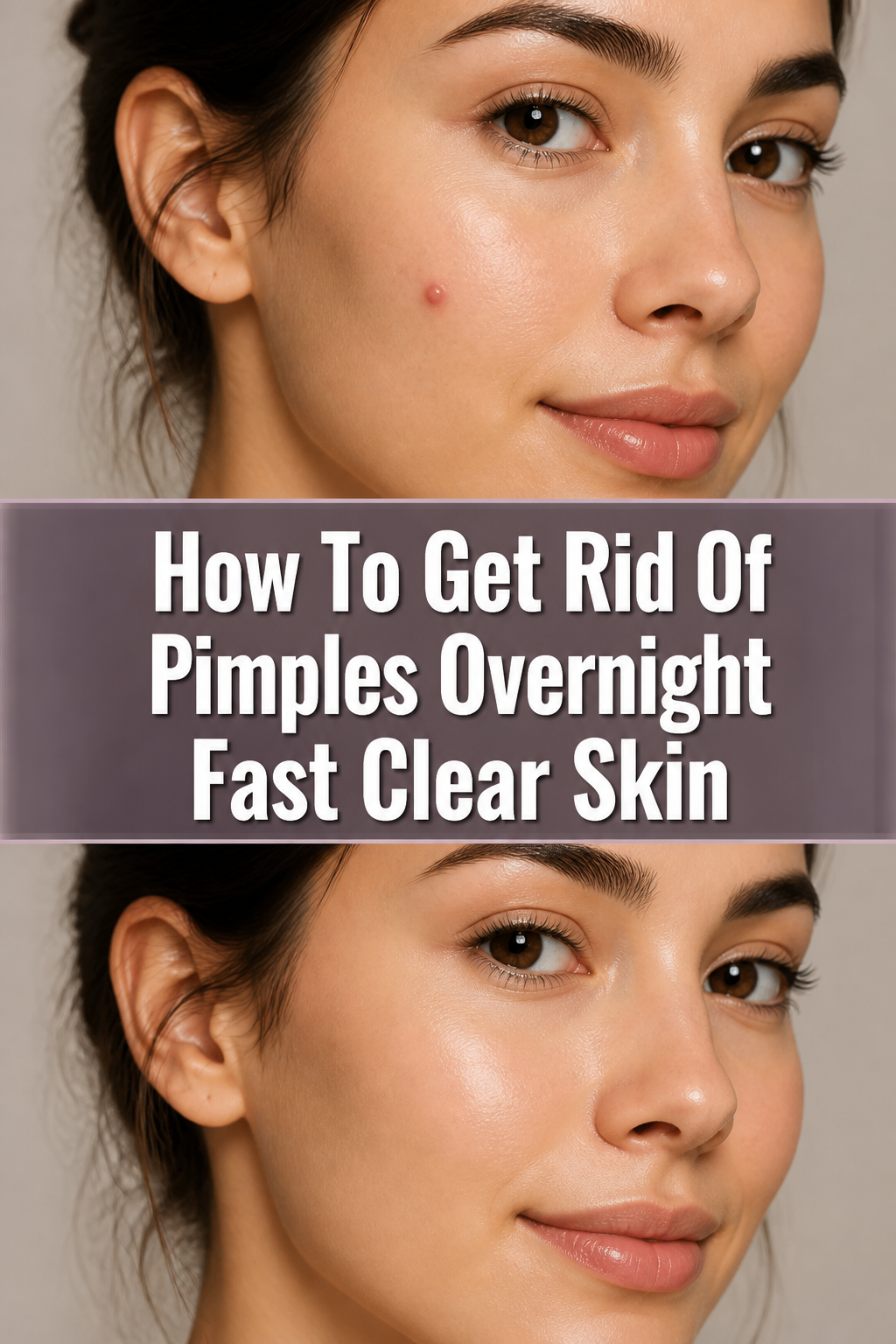
✨ How To Get Rid Of Pimples Overnight Fast Clear Skin
Waking up to an unexpected pimple can truly ruin your day.
I know the feeling of a sudden breakout before an important event; it’s frustrating and can chip away at your confidence.
This guide shares practical, rapid strategies I’ve learned and used to significantly reduce pimple appearance, often by morning.
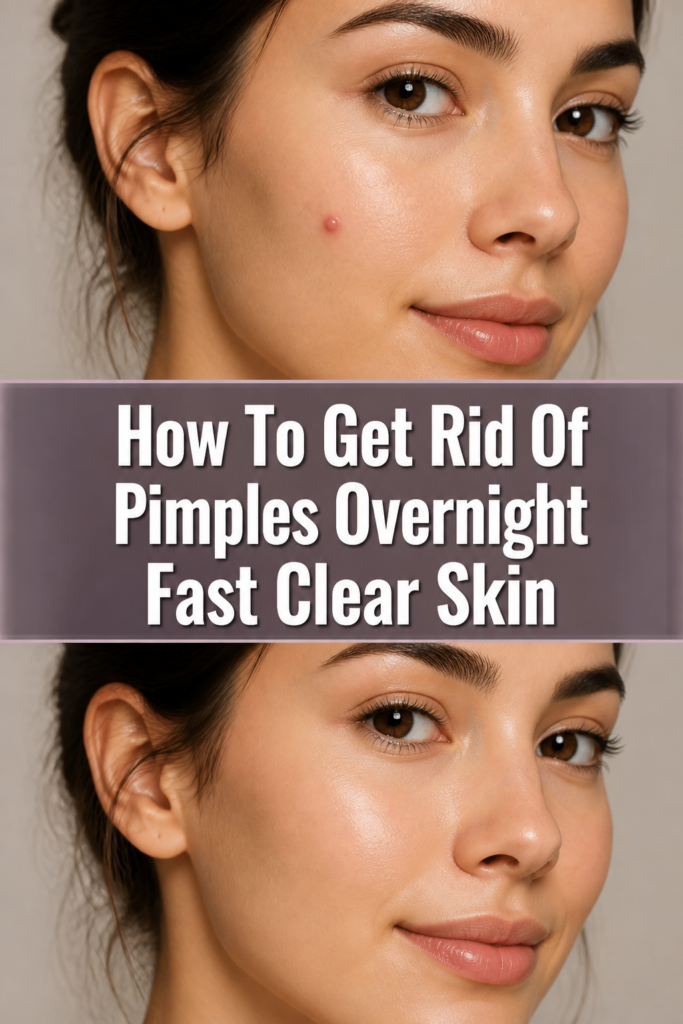
Quick Overview
This guide will equip you with effective techniques to calm angry blemishes and promote clearer skin, focusing on overnight results.
- Time needed: 15-20 minutes for evening routine, 5 minutes for morning check-in.
- Difficulty: Beginner
- What you’ll need: Gentle cleanser, targeted spot treatment, hydrocolloid patches, non-comedogenic moisturizer, ice.
Step-by-Step Instructions
Step 1: Gently Cleanse Your Skin
Begin your overnight routine by washing your face with a mild, non-stripping cleanser.
This removes dirt, oil, and makeup without irritating the skin, which is crucial for reducing inflammation.
Use lukewarm water and your fingertips, massaging gently for about 60 seconds.
Pro Tip: Avoid hot water, as it can strip your skin of natural oils and exacerbate irritation. Pat your face dry with a clean, soft towel instead of rubbing.
Step 2: Apply a Targeted Spot Treatment
Choose an effective spot treatment containing ingredients like salicylic acid or benzoyl peroxide.
Salicylic acid helps to exfoliate inside the pore, clearing blockages, while benzoyl peroxide kills acne-causing bacteria.
Apply a small, pea-sized amount directly onto the pimple using a clean cotton swab or fingertip.
Ensure you only target the affected area to prevent drying out surrounding healthy skin.
Step 3: Calm Inflammation with Ice
Reduce redness and swelling by applying an ice cube wrapped in a thin cloth to the pimple.
Hold it gently on the blemish for 5-10 minutes, taking short breaks every minute or so.
This constricts blood vessels, which helps to minimize the size and prominence of the pimple.
Pro Tip: Never apply ice directly to your skin, as it can cause ice burns. The barrier of a thin cloth is essential.
Step 4: Consider a Hydrocolloid Patch
Place a hydrocolloid patch over the pimple after your skin is dry and free of other products (except perhaps a very thin layer of spot treatment).
These patches absorb fluid from the pimple, protect it from external bacteria, and prevent you from picking.
They also create a moist environment that aids in faster healing and reduces scarring.
Leave the patch on overnight, or for at least 6-8 hours, as directed by the product packaging.
Step 5: Hydrate with a Non-Comedogenic Moisturizer
Follow up with a lightweight, non-comedogenic moisturizer, avoiding the area where you applied the hydrocolloid patch.
Even oily or acne-prone skin needs hydration to maintain a healthy skin barrier.
Dehydrated skin can produce more oil, potentially leading to more breakouts.
Opt for formulas labeled “oil-free” or “non-comedogenic” to ensure they won’t clog pores.
Step 6: Ensure Clean Sleep Environment
Change your pillowcase regularly, ideally every 2-3 days, especially when dealing with breakouts.
Pillowcases can accumulate dirt, oil, sweat, and bacteria from your hair and face, transferring them back to your skin.
A fresh pillowcase minimizes this contact, creating a cleaner environment for healing.
Pro Tip: Consider using silk or satin pillowcases. They are gentler on the skin and hair, and may absorb less moisture and oils than cotton.
Step 7: Stay Hydrated Internally
Drink plenty of water throughout the day, not just before bed.
Proper hydration helps your body’s cells function optimally, including those involved in skin repair and detoxification.
While not an overnight fix, it supports overall skin health and can aid in quicker recovery.
Step 8: Resist the Urge to Pick
Avoid touching, squeezing, or picking at the pimple at all costs, especially before bed.
This is perhaps the most critical step for overnight improvement.
Picking can push bacteria deeper, increase inflammation, lead to infection, and almost certainly result in scarring.
Trust the products and patches to do their work while you sleep.
Step 9: Gentle Morning Follow-Up
Wake up and gently remove the hydrocolloid patch, if used.
Gently cleanse your face again with a mild cleanser and lukewarm water.
Assess the pimple; it should appear significantly calmer, smaller, and less red.
Apply a light layer of your spot treatment and a non-comedogenic moisturizer with SPF for daytime protection.
Common Mistakes to Avoid
Over-Drying Your Skin
Many believe that drying out a pimple will make it disappear faster. However, excessive dryness can irritate the skin, leading to more inflammation and potentially increased oil production as your skin tries to compensate.
Always balance active treatments with gentle hydration. Use targeted spot treatments sparingly and follow with a good moisturizer.
Aggressive Scrubbing or Harsh Products
Scrubbing your skin vigorously or using harsh cleansers and toners can strip your skin’s natural barrier and spread bacteria.
This can worsen existing pimples and even trigger new ones. Opt for gentle, non-abrasive products and a soft touch, especially when skin is compromised.
Picking or Squeezing Pimples
This is a fundamental mistake that almost guarantees a worse outcome. Picking introduces more bacteria, pushes existing infection deeper, and often leads to prolonged healing, post-inflammatory hyperpigmentation, and permanent scarring.
It’s always best to let pimples heal naturally with the help of treatments, or use hydrocolloid patches as a barrier against picking.
Neglecting Sun Protection
Even when dealing with breakouts, sun protection is vital. UV exposure can worsen post-inflammatory hyperpigmentation (the dark spots left after a pimple heals) and can also irritate sensitive skin that’s undergoing treatment.
Always finish your morning routine with a broad-spectrum sunscreen, especially if using ingredients like salicylic acid or benzoyl peroxide, which can increase sun sensitivity.
Troubleshooting
Pimple Still Red and Swollen
If your pimple remains red and swollen despite overnight treatment, it might be a deeper cyst or nodule that requires more time to heal.
Continue with cold compresses to reduce inflammation and reapply your spot treatment. If it persists or is very painful, consider consulting a dermatologist for professional advice or prescription options.
Skin is Dry and Flaky Around the Pimple
This often indicates that your spot treatment might be too strong or you’re using too much of it. Reduce the frequency of application or use a smaller amount.
Ensure you are consistently moisturizing the surrounding skin with a non-comedogenic product to help repair the skin barrier and soothe dryness.
New Breakouts Appearing
If you’re noticing new pimples, it could be a reaction to a new product, an underlying dietary factor, or a need to reassess your overall skincare routine.
Ensure all your products are non-comedogenic. Evaluate potential triggers like diet, stress, or inadequate cleansing, and consider a consistent, gentle routine for a few weeks to see if it stabilizes.
Key Takeaways
- Gentle Care is Key: Always cleanse and treat your skin softly to avoid further irritation.
- Targeted Treatments Work: Use spot treatments with ingredients like salicylic acid or benzoyl peroxide directly on blemishes.
- Hydrocolloid Patches are Your Friend: They protect, absorb, and prevent picking for faster healing.
- Hydration Matters: Keep your skin moisturized and drink plenty of water to support skin health.
- Avoid Picking: Resist the urge to touch or squeeze pimples to prevent scarring and worsening.
- Clean Environment: Regular pillowcase changes minimize bacteria transfer to your face.
Frequently Asked Questions
Can I really get rid of a pimple completely overnight?
While completely eliminating a large, deep pimple overnight is unlikely, you can significantly reduce its size, redness, and inflammation. The goal is often to make it much less noticeable by morning, preparing it for continued healing.
What if I don’t have a specific spot treatment?
If you’re in a pinch, a small dab of diluted tea tree oil (always dilute with a carrier oil like jojoba) or even a thin paste of crushed aspirin mixed with water can offer some anti-inflammatory benefits in an emergency. However, dedicated spot treatments are usually more effective and safer.
Is it okay to use multiple spot treatments at once?
Using multiple spot treatments simultaneously can lead to excessive dryness, irritation, and damage to your skin barrier. It’s generally best to stick to one active ingredient or product at a time to avoid overwhelming your skin.
When should I see a dermatologist?
If you experience frequent, severe, or painful breakouts, or if your pimples are leaving scars or dark marks, it’s a good idea to consult a dermatologist. They can offer prescription treatments, in-office procedures, and personalized advice for persistent acne concerns.
Your Path to Clearer Skin Starts Tonight
Taking control of your skin concerns can feel empowering, and these steps offer a direct route to tackling those sudden blemishes.
Don’t let a single pimple derail your confidence or your plans.
Implement these practical, gentle techniques tonight and notice the difference by morning.
Consistency is your greatest ally in maintaining clear, healthy skin in the long run.
Our Top Recommended Finds
- Gentle Hydrating Cleanser: A fragrance-free, non-foaming cleanser that removes impurities without stripping moisture.
- Salicylic Acid Spot Treatment: A targeted gel or cream designed to penetrate pores and exfoliate dead skin cells.
- Hydrocolloid Pimple Patches: Thin, discreet patches that absorb fluid and protect blemishes while you sleep.