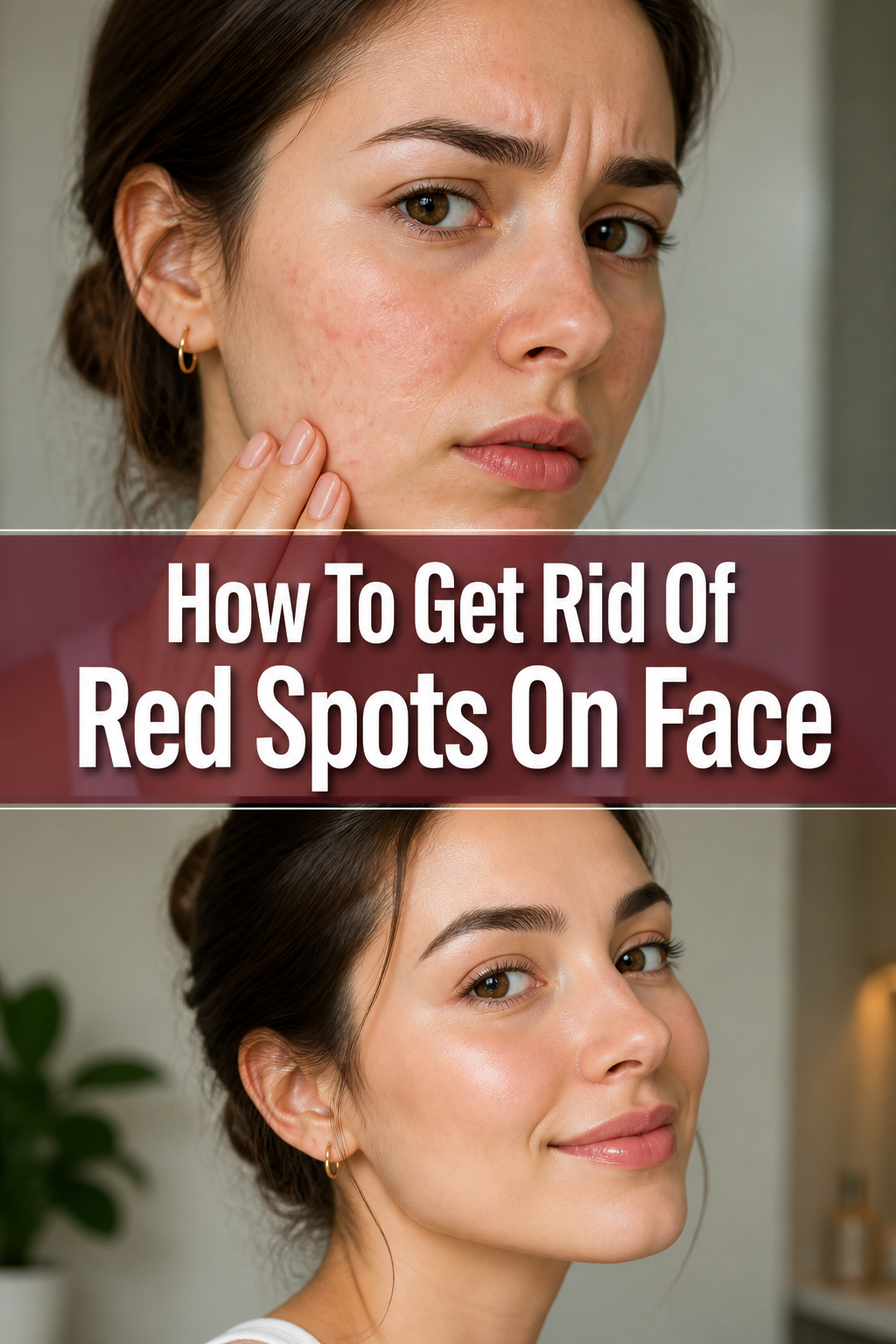
✨ How To Get Rid Of Red Spots On Face
I remember the frustration of waking up to new red spots, or seeing old ones linger stubbornly.
It’s a common skin concern that can feel overwhelming, affecting confidence and comfort.
This guide is built from personal experience and extensive research, offering practical, gentle steps to help you achieve clearer, calmer skin.
Quick Overview
This guide will walk you through a holistic approach to address and diminish red spots, focusing on gentle care and targeted treatments.
- Time needed: 15-30 minutes daily for routine, several weeks for results
- Difficulty: Beginner
- What you’ll need: Gentle cleanser, soothing toner, targeted spot treatment, non-comedogenic moisturizer, SPF, clean towels.
Step-by-Step Instructions
Step 1: Cleanse Gently, Twice Daily
Start your routine with a mild, pH-balanced cleanser.
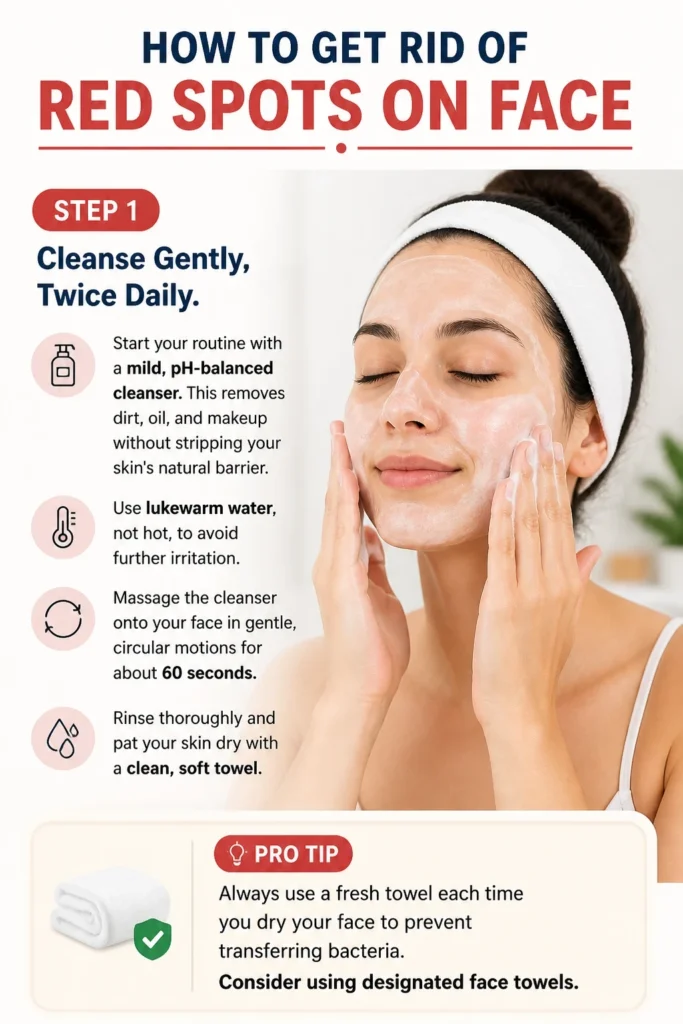
This removes dirt, oil, and makeup without stripping your skin’s natural barrier.
Use lukewarm water, not hot, to avoid further irritation.
Massage the cleanser onto your face in gentle, circular motions for about 60 seconds.
Rinse thoroughly and pat your skin dry with a clean, soft towel.
Pro Tip: Always use a fresh towel each time you dry your face to prevent transferring bacteria. Consider using designated face towels.
Step 2: Apply a Soothing Toner
Follow cleansing with an alcohol-free toner containing calming ingredients.
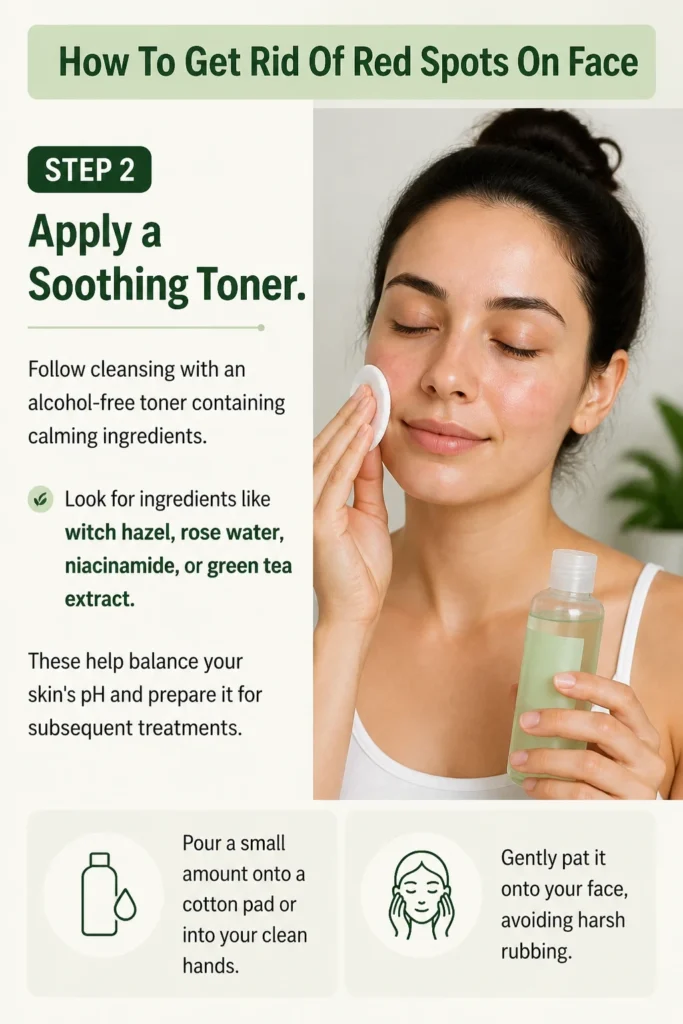
Look for ingredients like witch hazel, rose water, niacinamide, or green tea extract.
These help balance your skin’s pH and prepare it for subsequent treatments.
Pour a small amount onto a cotton pad or into your clean hands.
Gently pat it onto your face, avoiding harsh rubbing.
Step 3: Target Spots with Active Ingredients
Introduce a spot treatment specifically formulated for red spots.
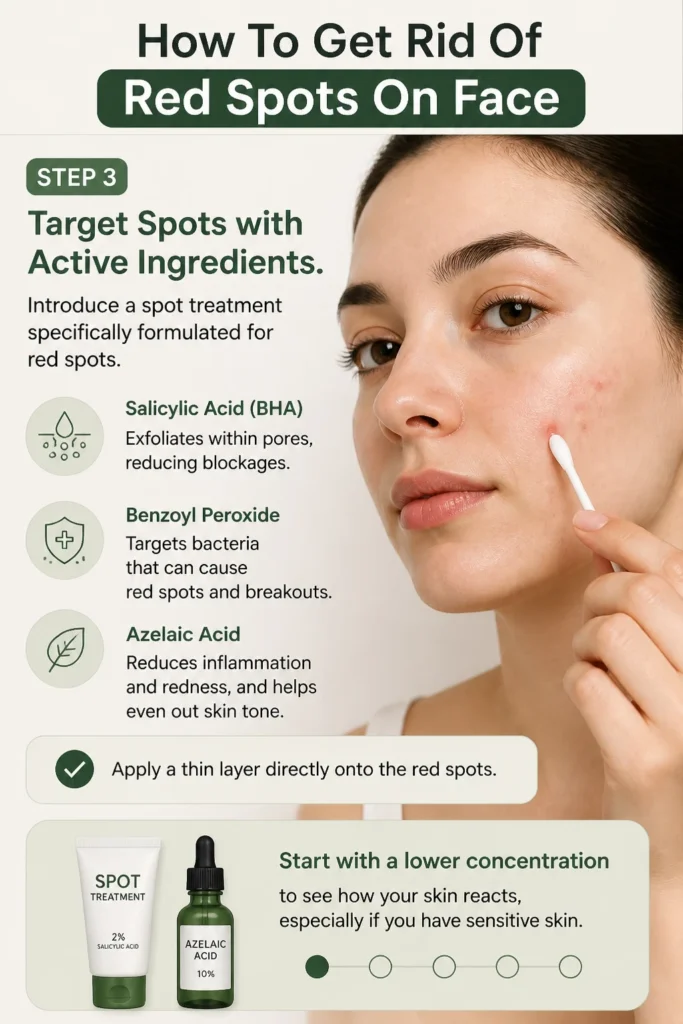
Ingredients like salicylic acid (BHA), benzoyl peroxide, or azelaic acid are effective.
Salicylic acid exfoliates within pores, reducing blockages.
Apply a thin layer directly onto the red spots.
Benzoyl peroxide targets bacteria, while azelaic acid reduces inflammation and redness.
Start with a lower concentration to see how your skin reacts, especially if you have sensitive skin.
Step 4: Hydrate with a Non-Comedogenic Moisturizer
Moisturize your skin immediately after your treatments.
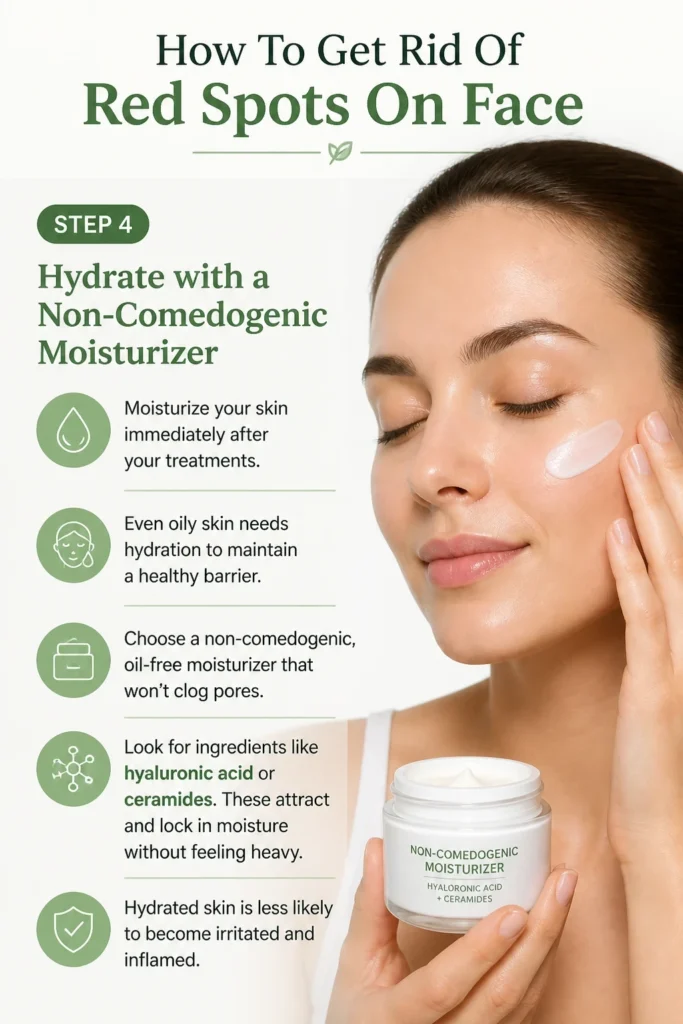
Even oily skin needs hydration to maintain a healthy barrier.
Choose a non-comedogenic, oil-free moisturizer that won’t clog pores.
Look for ingredients like hyaluronic acid or ceramides.
These attract and lock in moisture without feeling heavy.
Hydrated skin is less likely to become irritated and inflamed.
Step 5: Protect with Daily SPF
Finish your morning routine with broad-spectrum sunscreen.
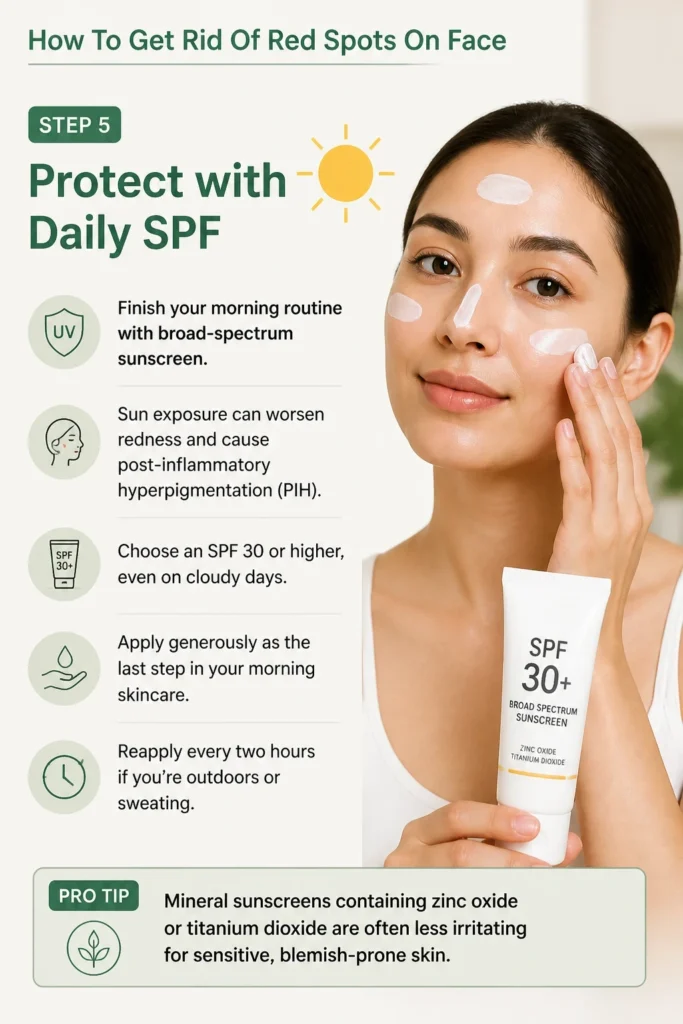
Sun exposure can worsen redness and cause post-inflammatory hyperpigmentation (PIH).
Choose an SPF 30 or higher, even on cloudy days.
Apply generously as the last step in your morning skincare.
Reapply every two hours if you’re outdoors or sweating.
Pro Tip: Mineral sunscreens containing zinc oxide or titanium dioxide are often less irritating for sensitive, blemish-prone skin.
Step 6: Integrate Soothing Face Masks (1-2x Weekly)
Incorporate a calming face mask into your routine once or twice a week.
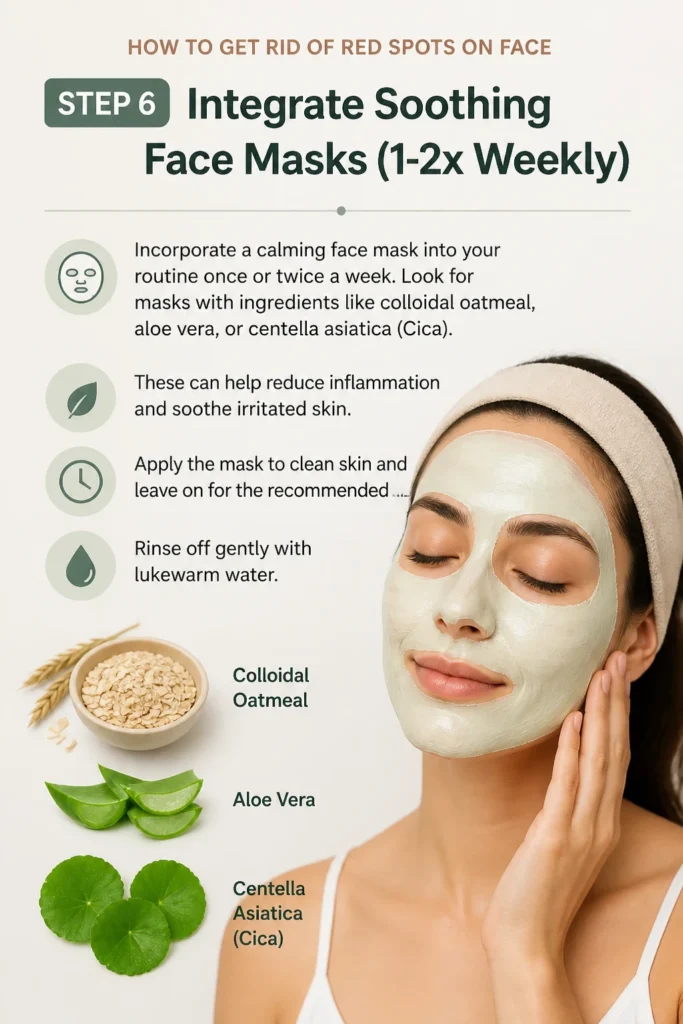
Look for masks with ingredients like colloidal oatmeal, aloe vera, or centella asiatica (Cica).
These can help reduce inflammation and soothe irritated skin.
Apply the mask to clean skin and leave on for the recommended time.
Rinse off gently with lukewarm water.
Step 7: Reassess Your Diet and Hydration
Consider how your diet might be influencing your skin.
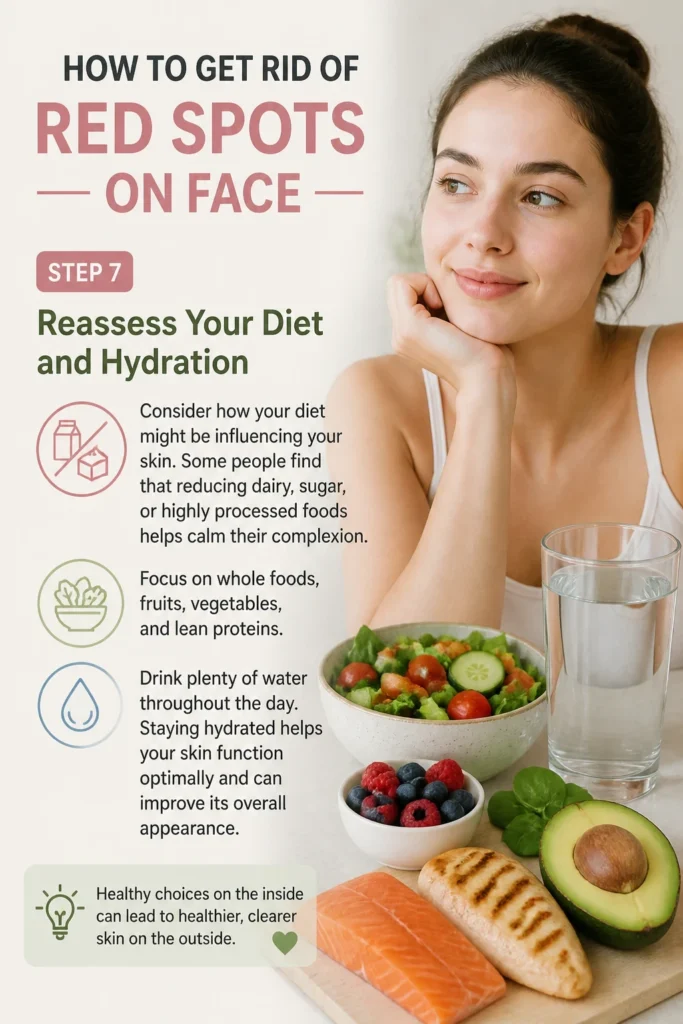
Some people find that reducing dairy, sugar, or highly processed foods helps calm their complexion.
Focus on whole foods, fruits, vegetables, and lean proteins.
Drink plenty of water throughout the day.
Staying hydrated helps your skin function optimally and can improve its overall appearance.
Step 8: Manage Stress Levels
Recognize the link between stress and skin flare-ups.
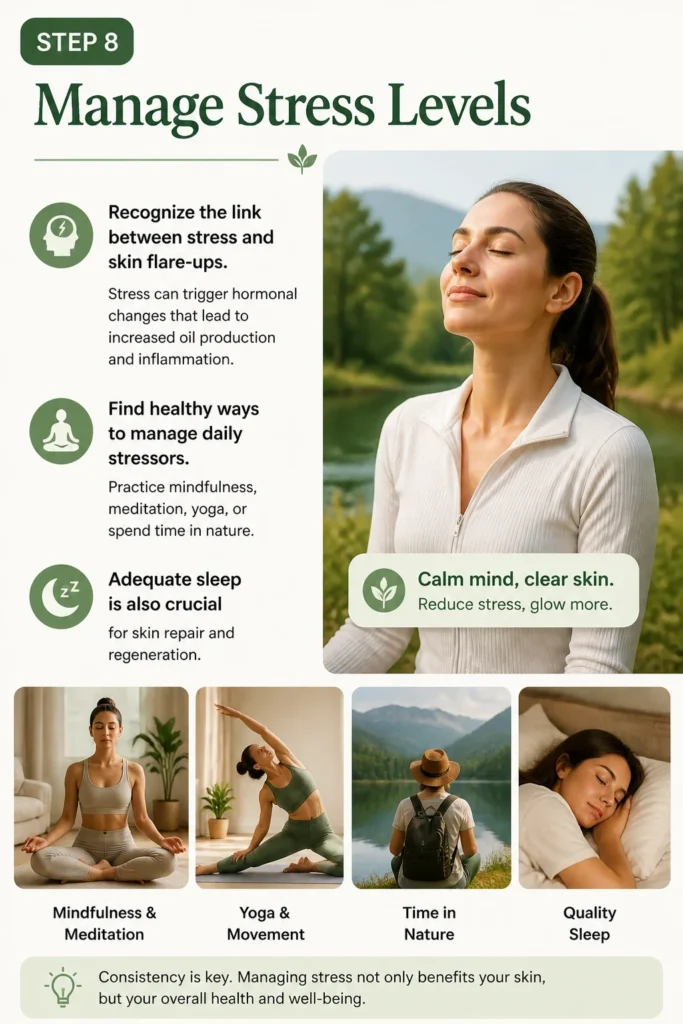
Stress can trigger hormonal changes that lead to increased oil production and inflammation.
Find healthy ways to manage daily stressors.
Practice mindfulness, meditation, yoga, or spend time in nature.
Adequate sleep is also crucial for skin repair and regeneration.
Step 9: Avoid Picking or Squeezing
Resist the urge to pick, squeeze, or pop red spots.
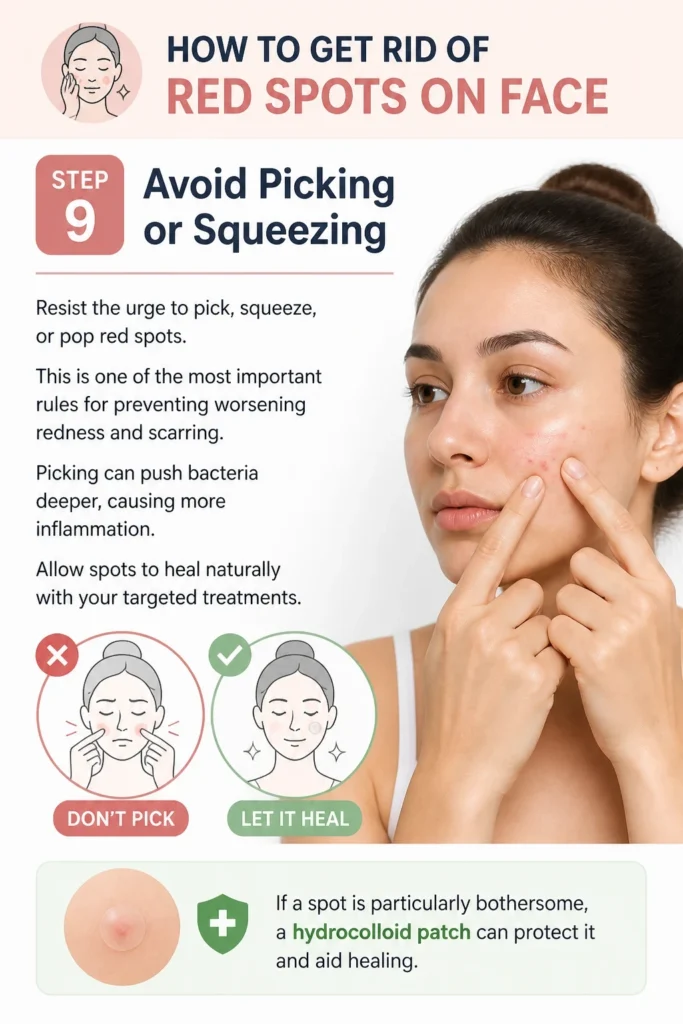
This is one of the most important rules for preventing worsening redness and scarring.
Picking can push bacteria deeper, causing more inflammation.
Allow spots to heal naturally with your targeted treatments.
If a spot is particularly bothersome, a hydrocolloid patch can protect it and aid healing.
Step 10: Be Patient and Consistent
Understand that skin healing takes time.
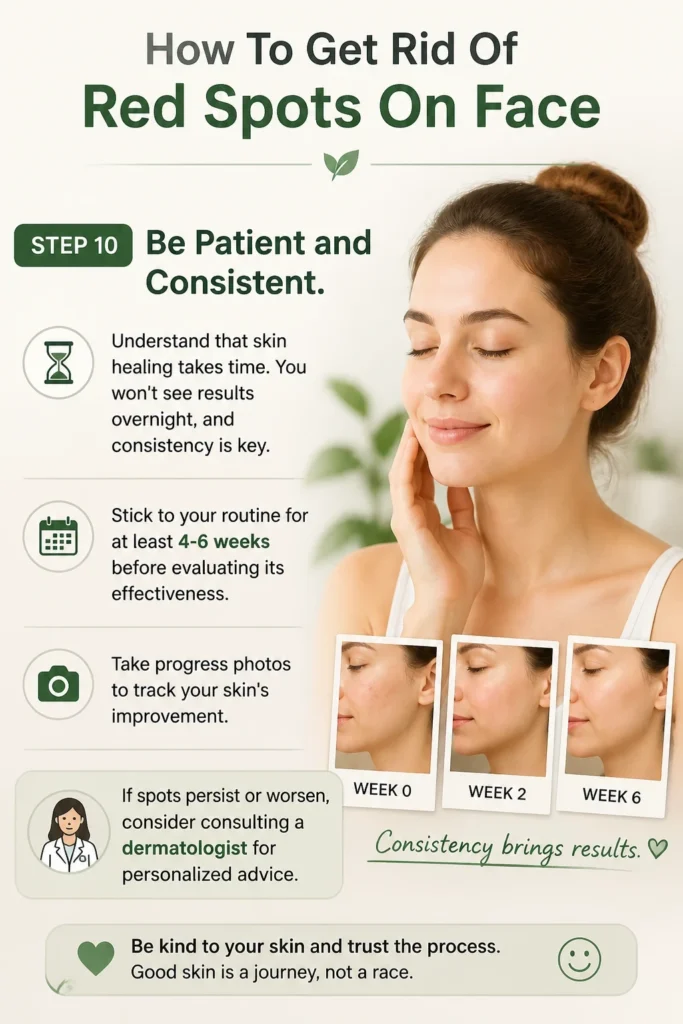
You won’t see results overnight, and consistency is key.
Stick to your routine for at least 4-6 weeks before evaluating its effectiveness.
Take progress photos to track your skin’s improvement.
If spots persist or worsen, consider consulting a dermatologist for personalized advice.
Common Mistakes to Avoid
Over-Exfoliating Your Skin
Many people believe that more exfoliation equals clearer skin, especially when dealing with red spots. However, excessive scrubbing or using too many harsh chemical exfoliants can strip your skin’s protective barrier. This leads to increased sensitivity, redness, and can even trigger more breakouts as your skin tries to compensate by producing more oil. Stick to gentle chemical exfoliants like salicylic acid a few times a week, and avoid physical scrubs altogether if your skin is inflamed.
Using Harsh or Drying Products
It’s tempting to reach for products that promise to “dry out” blemishes, but these often contain high concentrations of alcohol or strong astringents. While they might feel like they’re working initially, they can actually dehydrate your skin, leading to irritation and making redness worse. Dehydrated skin can also produce more oil, creating a vicious cycle. Opt for products designed to soothe and hydrate, even if they contain active blemish-fighting ingredients.
Skipping Moisturizer
A common misconception is that oily or acne-prone skin doesn’t need moisturizer. This couldn’t be further from the truth. When your skin is dry, it can feel tight and uncomfortable, and its barrier function is compromised. This makes it more susceptible to irritation and can even trigger increased oil production as your skin tries to protect itself. Always follow your cleansing and treatment steps with a lightweight, non-comedogenic moisturizer to keep your skin balanced and healthy.
Ignoring Sun Protection
Sun exposure is a significant aggravator for red spots and post-inflammatory hyperpigmentation. UV rays can deepen existing redness and turn healing spots into stubborn dark marks. Furthermore, many blemish-fighting ingredients, like retinoids and AHAs, increase your skin’s sun sensitivity. Skipping SPF undoes much of the hard work you put into your routine. Make broad-spectrum SPF 30+ a non-negotiable part of your morning routine.
Troubleshooting
Persistent Redness or Irritation
If your skin remains consistently red, itchy, or irritated despite following a gentle routine, you might be overusing active ingredients. Try reducing the frequency of your spot treatment or exfoliant to every other day, or even a few times a week. Ensure all your products are fragrance-free, as fragrances can be a common irritant. If irritation persists, consult a dermatologist, as you might have an underlying condition like rosacea or contact dermatitis.
New Breakouts After Starting a Routine
Sometimes, when you introduce new active ingredients like salicylic acid or retinoids, your skin may experience a “purging” phase. This means existing micro-comedones (clogged pores) come to the surface as blemishes more quickly. This usually lasts for a few weeks. However, if breakouts are severe, painful, or persist beyond 6-8 weeks, the product might not be suitable for your skin, or it could be an allergic reaction. Discontinue use and consult a professional.
Red Spots Not Fading (Post-Inflammatory Erythema)
Even after a blemish heals, a red mark can linger for weeks or months. This is known as post-inflammatory erythema (PIE) and is due to damaged capillaries. Products containing niacinamide, azelaic acid, or Vitamin C can help improve these marks over time. Consistent sun protection is also vital to prevent them from darkening. For stubborn PIE, professional treatments like vascular lasers might be an option, discussed with a dermatologist.
Key Takeaways
- Prioritize gentle cleansing and hydration to maintain a healthy skin barrier.
- Use targeted spot treatments with ingredients like salicylic acid or azelaic acid.
- Never pick or squeeze blemishes to prevent worsening redness and scarring.
- Incorporate daily broad-spectrum SPF to protect healing skin and prevent darkening.
- Consistency and patience are crucial; visible results take time.
- Manage stress and maintain a balanced diet for overall skin health.
Frequently Asked Questions
How long does it take for red spots to disappear?
The time it takes for red spots to disappear varies greatly depending on their cause, severity, and your skin’s healing capabilities. Small, superficial spots might fade in a few days, while deeper, inflamed blemishes can leave red marks (PIE) that last weeks or even months. Consistent care speeds up the process.
Can diet really affect red spots?
For some individuals, yes. While not a universal trigger, certain foods like high-glycemic index foods (sugars, refined carbs) and dairy products have been anecdotally linked to skin inflammation and breakouts in sensitive individuals. Paying attention to your diet and identifying potential triggers can be helpful.
Is it okay to wear makeup over red spots?
Yes, you can wear makeup, but choose wisely. Opt for non-comedogenic, oil-free formulas that won’t clog pores. Ensure your brushes and sponges are clean to avoid introducing bacteria. Always remove all makeup thoroughly before bed to allow your skin to breathe and heal.
When should I see a dermatologist?
You should consider seeing a dermatologist if your red spots are persistent, painful, severe, or if they’re significantly impacting your quality of life. If over-the-counter treatments aren’t working after several weeks, or if you’re experiencing scarring, a dermatologist can offer prescription-strength solutions and professional treatments.
Our Top Recommended Finds
- Gentle Foaming Cleanser: A mild, pH-balanced cleanser that removes impurities without stripping the skin.
- Salicylic Acid Spot Treatment: A targeted gel or serum with 1-2% salicylic acid to exfoliate pores and reduce inflammation.
- Lightweight Hydrating Moisturizer: A non-comedogenic lotion with hyaluronic acid or ceramides for essential hydration.
Embrace Your Journey to Clearer Skin
Tackling red spots on your face is a journey, not a sprint.
Each step you take, from gentle cleansing to consistent sun protection, builds towards a healthier, calmer complexion.
Remember, patience and consistency are your most powerful tools.
Don’t let the occasional spot deter you from your goal.
Start implementing these practical steps today, and watch as your skin transforms.
Your confidence will thank you.