💇♀️ How To Know If Bangs Look Good On You
I remember years ago, debating whether to take the plunge and get bangs. The fear of a bad hair day, or worse, a bad hair month, was truly real.
It felt like a permanent decision with potentially high stakes for my daily look.
This guide distills years of personal experience, observations, and expert tips to help you decide with confidence, long before any scissors come near your hair.
Quick Overview
Deciding on bangs doesn’t have to be a leap of faith. This guide will walk you through essential considerations, from your face shape to your daily routine, helping you visualize the perfect fringe. You’ll learn how to assess suitability, explore styles, and even “try on” bangs without commitment.
- Time needed: 30-60 minutes (for assessment and visualization)
- Difficulty: Beginner
- What you’ll need: A mirror, hair ties or clips, your phone/camera, inspiration photos, maybe a ruler.
Step-by-Step Instructions
Step 1: Identify Your Face Shape
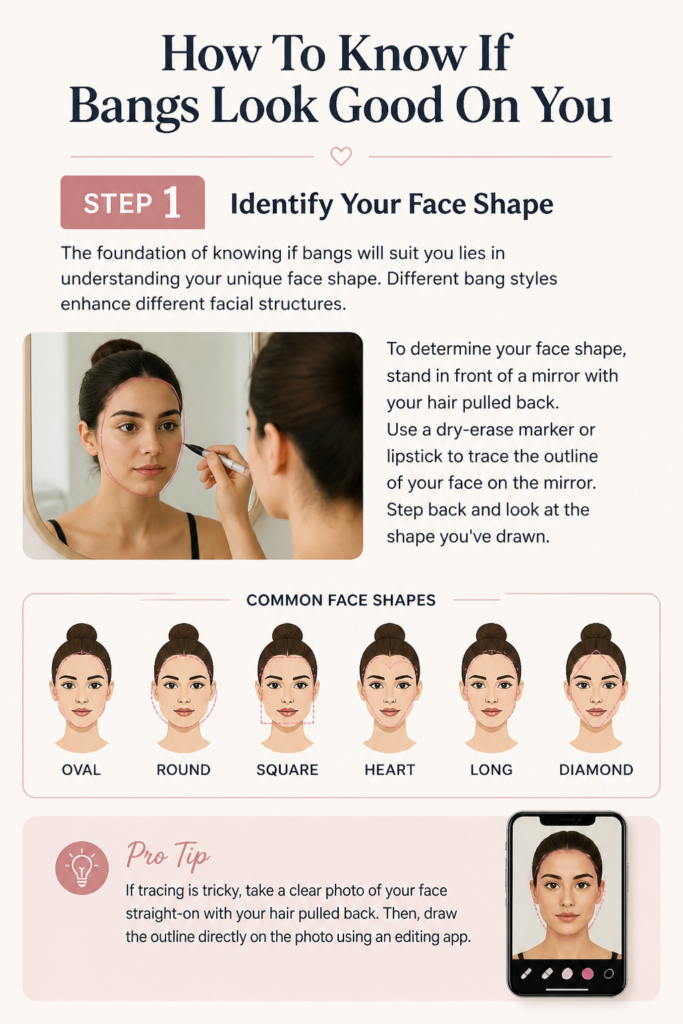
The foundation of knowing if bangs will suit you lies in understanding your unique face shape. Different bang styles enhance different facial structures.
To determine your face shape, stand in front of a mirror with your hair pulled back. Use a dry-erase marker or lipstick to trace the outline of your face on the mirror.
Step back and look at the shape you’ve drawn. Common shapes include oval, round, square, heart, long, and diamond.
Pro Tip: If tracing is tricky, take a clear photo of your face straight-on with your hair pulled back. Then, draw the outline directly on the photo using an editing app.
Step 2: Understand Bangs for Your Face Shape
Once you know your face shape, you can begin to match it with suitable bang styles. This step helps you narrow down the endless possibilities.
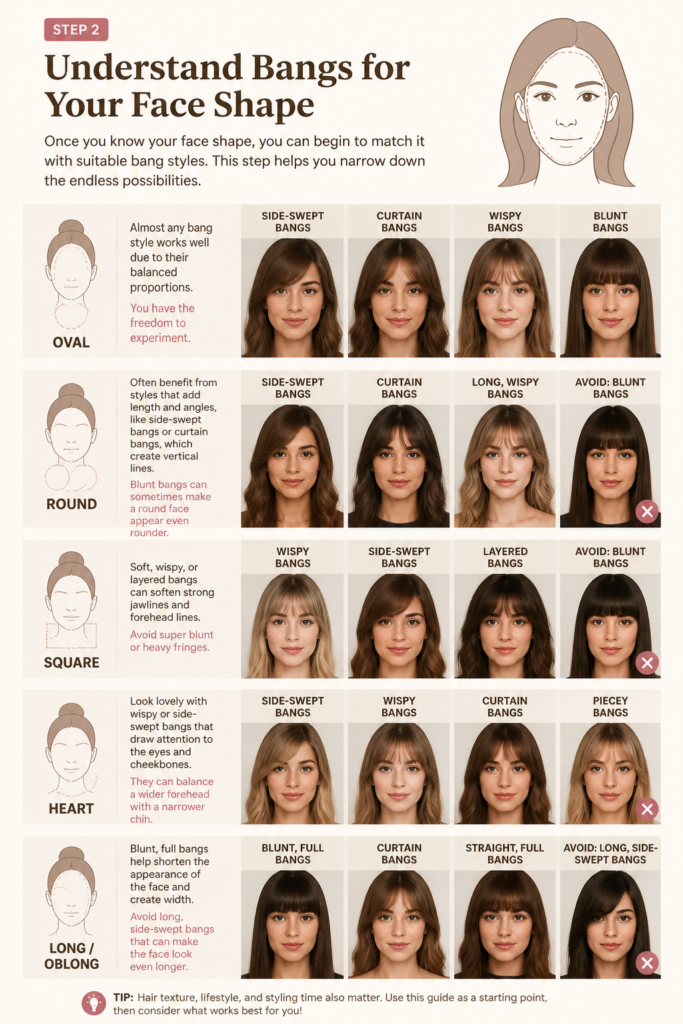
For oval faces, almost any bang style works well due to their balanced proportions. You have the freedom to experiment.
Round faces often benefit from styles that add length and angles, like side-swept bangs or curtain bangs, which create vertical lines. Blunt bangs can sometimes make a round face appear even rounder.
If you have a square face, soft, wispy, or layered bangs can soften strong jawlines and forehead lines. Avoid super blunt or heavy fringes.
Heart-shaped faces look lovely with wispy or side-swept bangs that draw attention to the eyes and cheekbones. They can balance a wider forehead with a narrower chin.
For long faces, blunt, full bangs can visually shorten the face by covering the forehead. This creates a more balanced, proportional appearance.
Diamond faces are often enhanced by side-swept or curtain bangs that soften the cheekbones and forehead. These styles complement the natural angles beautifully.
Step 3: Analyze Your Hair Type and Texture
Your hair’s natural characteristics play a huge role in how bangs will look and behave. Consider if your hair is straight, wavy, curly, fine, or thick.
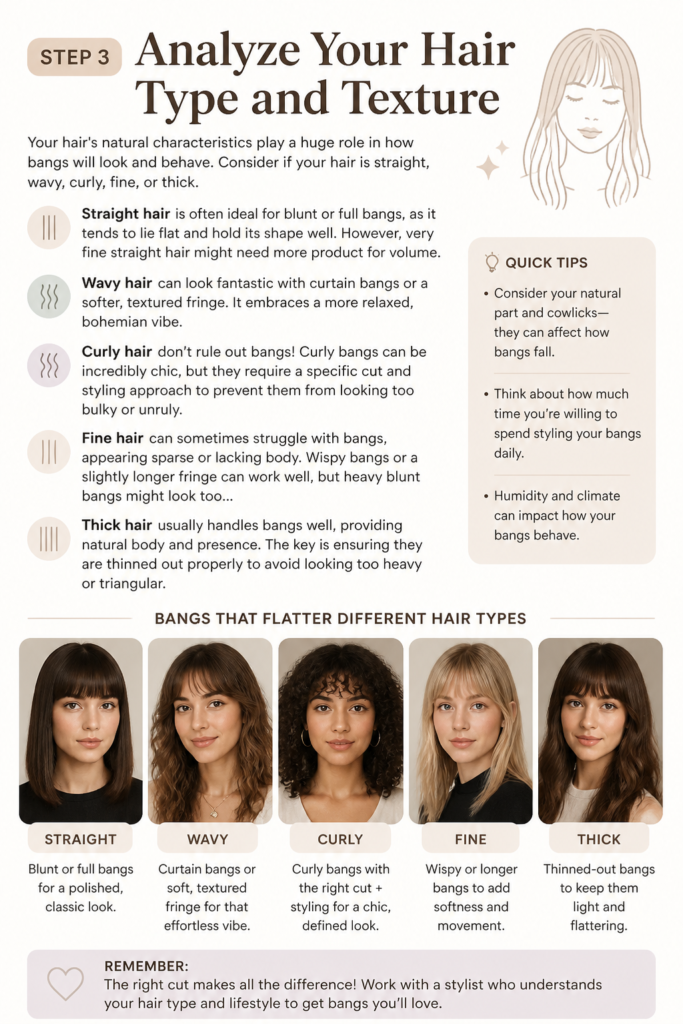
Straight hair is often ideal for blunt or full bangs, as it tends to lie flat and hold its shape well. However, very fine straight hair might need more product for volume.
Wavy hair can look fantastic with curtain bangs or a softer, textured fringe. It embraces a more relaxed, bohemian vibe.
If you have curly hair, don’t rule out bangs! Curly bangs can be incredibly chic, but they require a specific cut and styling approach to prevent them from looking too bulky or unruly.
Fine hair can sometimes struggle with bangs, appearing sparse or lacking body. Wispy bangs or a slightly longer fringe can work well, but heavy blunt bangs might look too thin.
Thick hair offers plenty of volume and substance for bangs. However, thick hair can also lead to bangs feeling heavy or requiring more frequent trims to prevent them from overwhelming your face.
Step 4: Explore Different Bang Styles
Beyond face shape and hair type, knowing the various bang styles helps you envision the look you desire. Each style creates a different aesthetic.
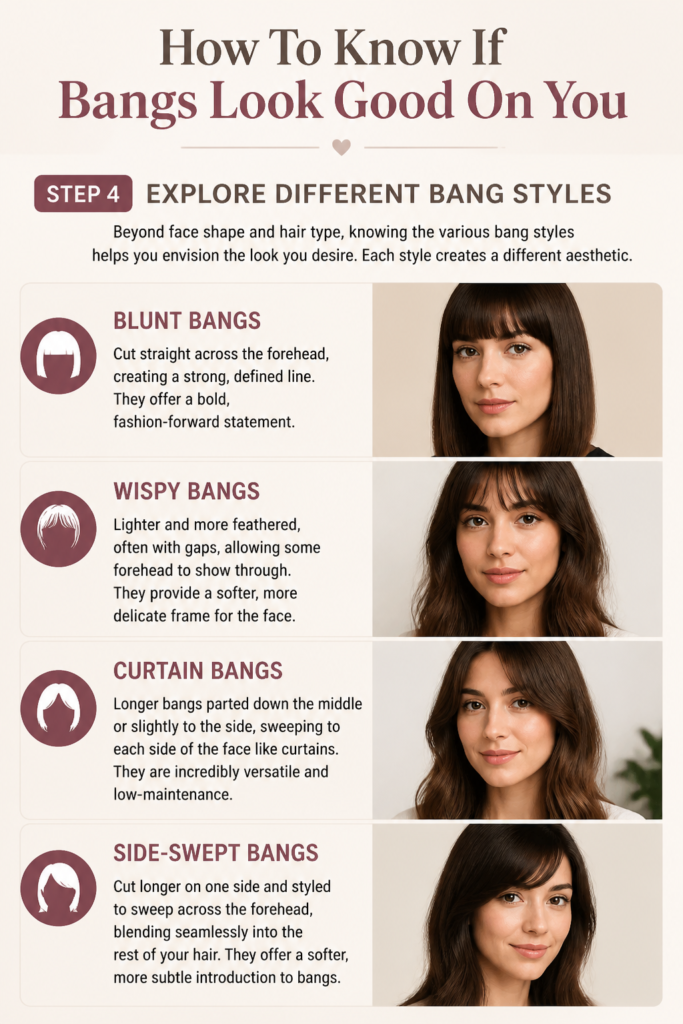
Blunt bangs are cut straight across the forehead, creating a strong, defined line. They offer a bold, fashion-forward statement.
Wispy bangs are lighter and more feathered, often with gaps, allowing some forehead to show through. They provide a softer, more delicate frame for the face.
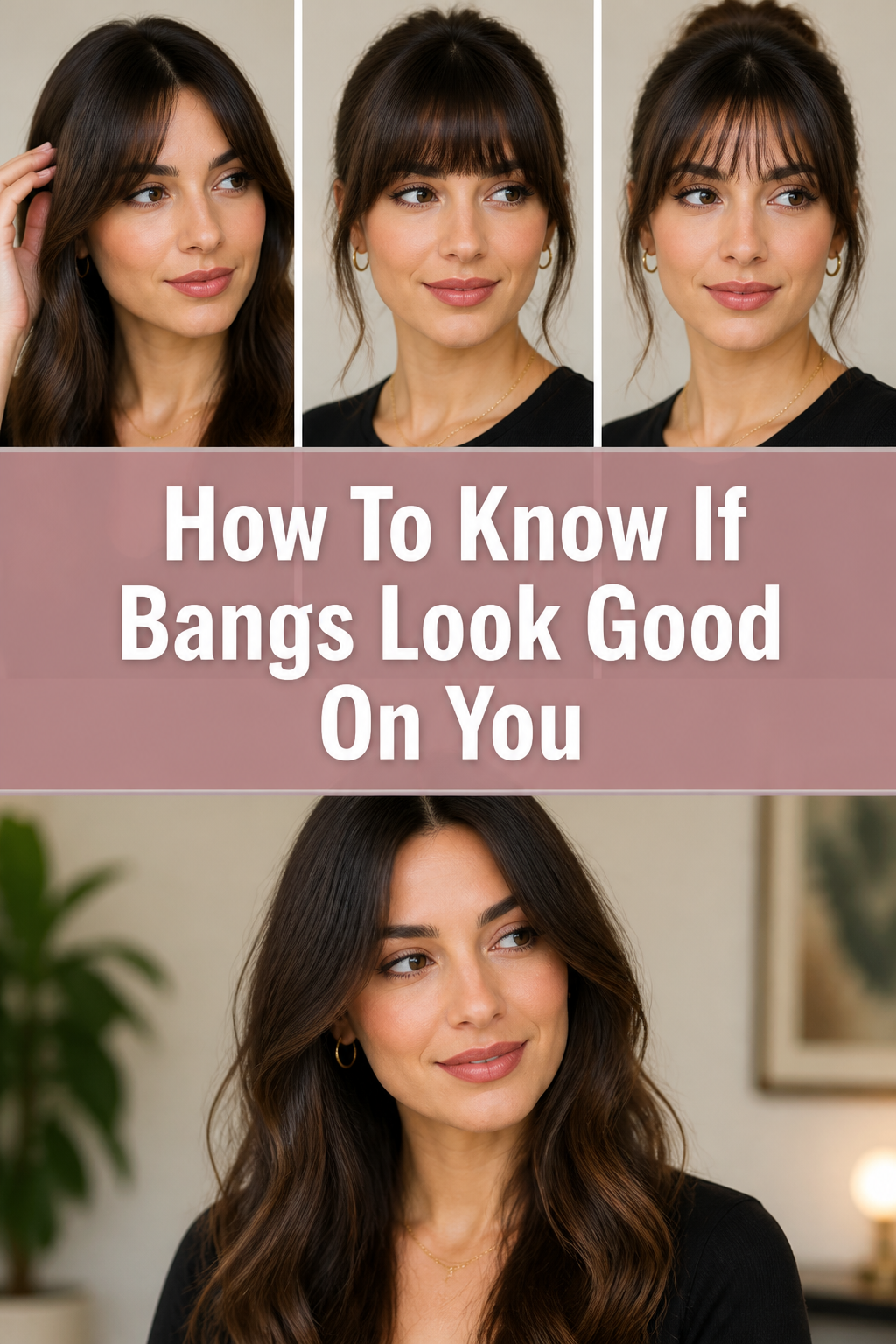
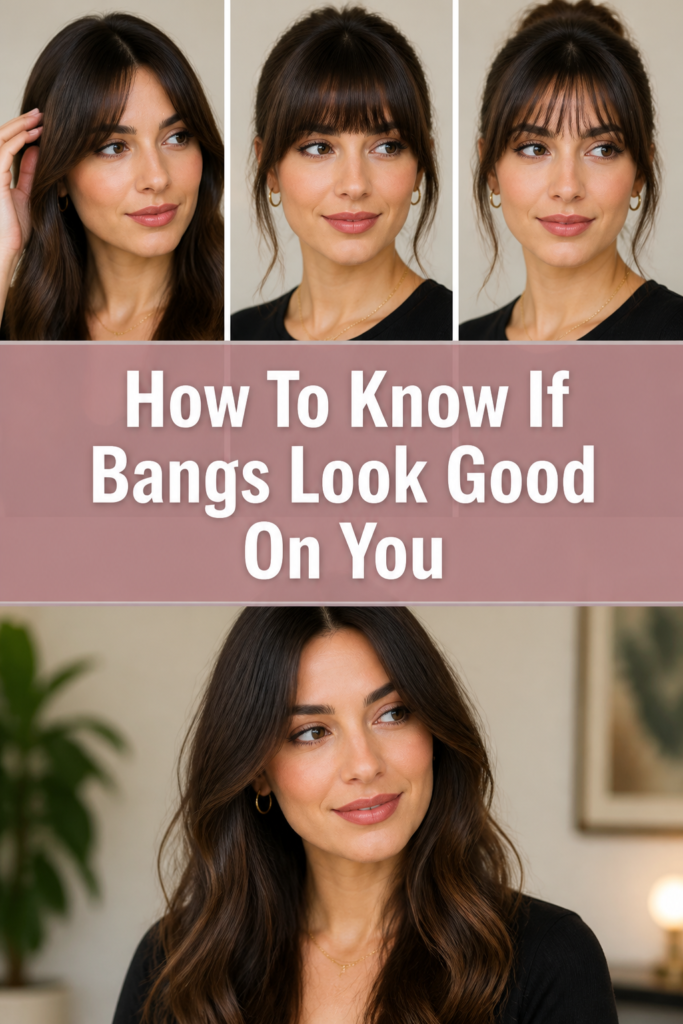
Curtain bangs are longer bangs parted down the middle or slightly to the side, sweeping to each side of the face like curtains. They are incredibly versatile and low-maintenance.
Side-swept bangs are cut longer on one side and styled to sweep across the forehead, blending seamlessly into the rest of your hair. They offer a softer, more subtle introduction to bangs.
Micro bangs are very short, often ending mid-forehead. They are a daring, edgy choice that can highlight your eyebrows and eyes.
Step 5: Create a “Faux Fringe” Mock-Up
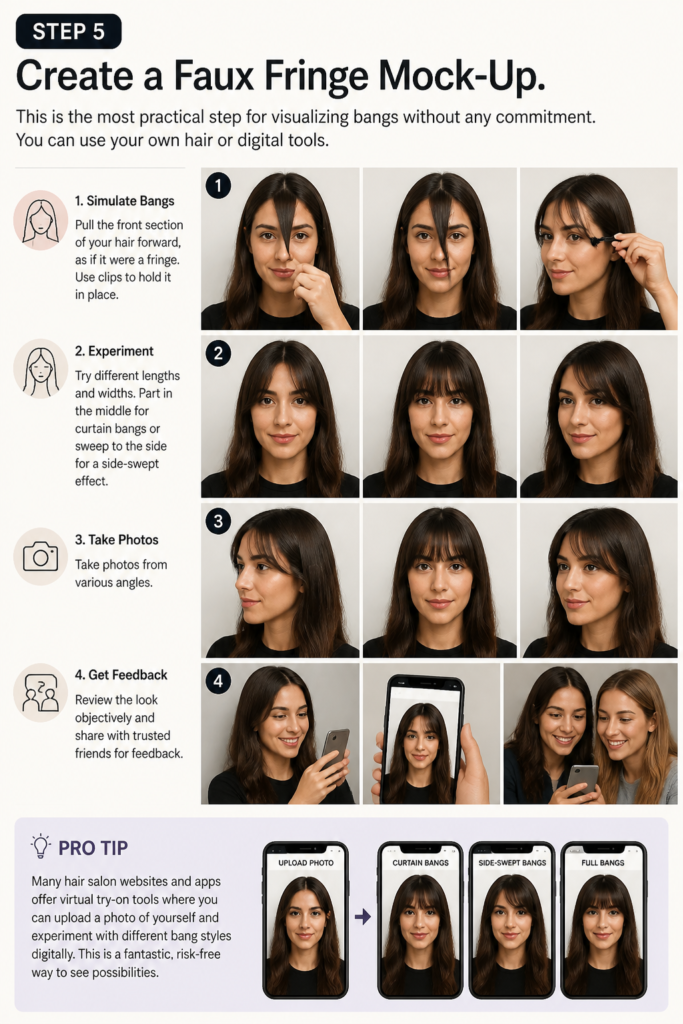
This is the most practical step for visualizing bangs without any commitment. You can use your own hair or digital tools.
To simulate bangs with your own hair, pull the front section of your hair forward, as if it were a fringe. You can use hair clips to hold it in place.
Experiment with different lengths and widths. Try parting your hair in the middle for a curtain bang look, or sweep a section to the side for a side-swept effect.
Take photos from various angles. This allows you to objectively review the look and share it with trusted friends for feedback.
Pro Tip: Many hair salon websites and apps offer virtual try-on tools where you can upload a photo of yourself and experiment with different bang styles digitally. This is a fantastic, risk-free way to see possibilities.
Step 6: Gather Visual Inspiration
Look for real-world examples of bangs that you admire. This helps you communicate your desired look to a stylist and confirms your preferences.
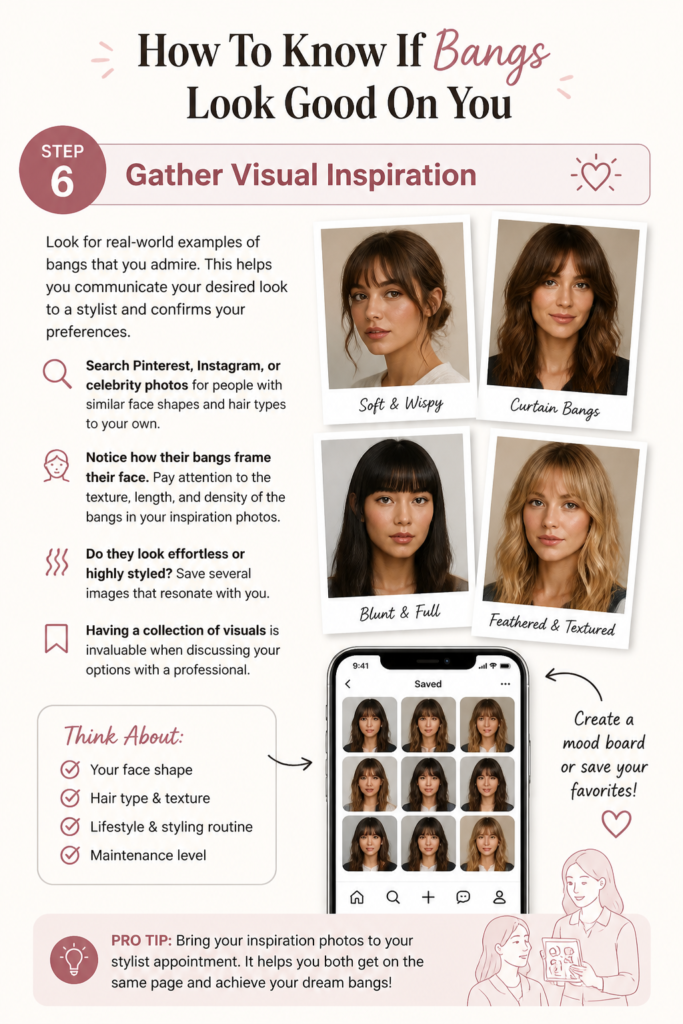
Search Pinterest, Instagram, or celebrity photos for people with similar face shapes and hair types to your own. Notice how their bangs frame their face.
Pay attention to the texture, length, and density of the bangs in your inspiration photos. Do they look effortless or highly styled?
Save several images that resonate with you. Having a collection of visuals is invaluable when discussing your options with a professional.
Step 7: Consider Your Lifestyle and Maintenance
Bangs are not a “wash and go” style for everyone. It’s important to be realistic about the time and effort you’re willing to invest.
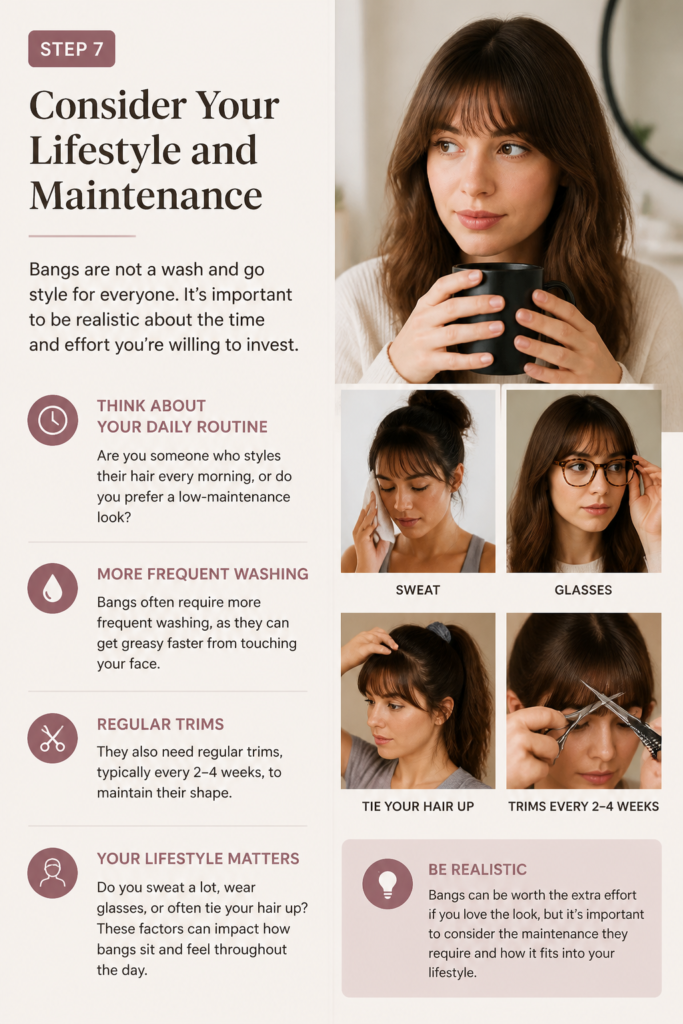
Think about your daily routine. Are you someone who styles their hair every morning, or do you prefer a low-maintenance look?
Bangs often require more frequent washing, as they can get greasy faster from touching your face. They also need regular trims, typically every 2-4 weeks, to maintain their shape.
Do you sweat a lot, wear glasses, or often tie your hair up? These factors can impact how bangs sit and feel throughout the day.
Step 8: Consult a Hair Professional
Even after all your research, a professional stylist’s opinion is gold. They can offer personalized advice based on their expertise.
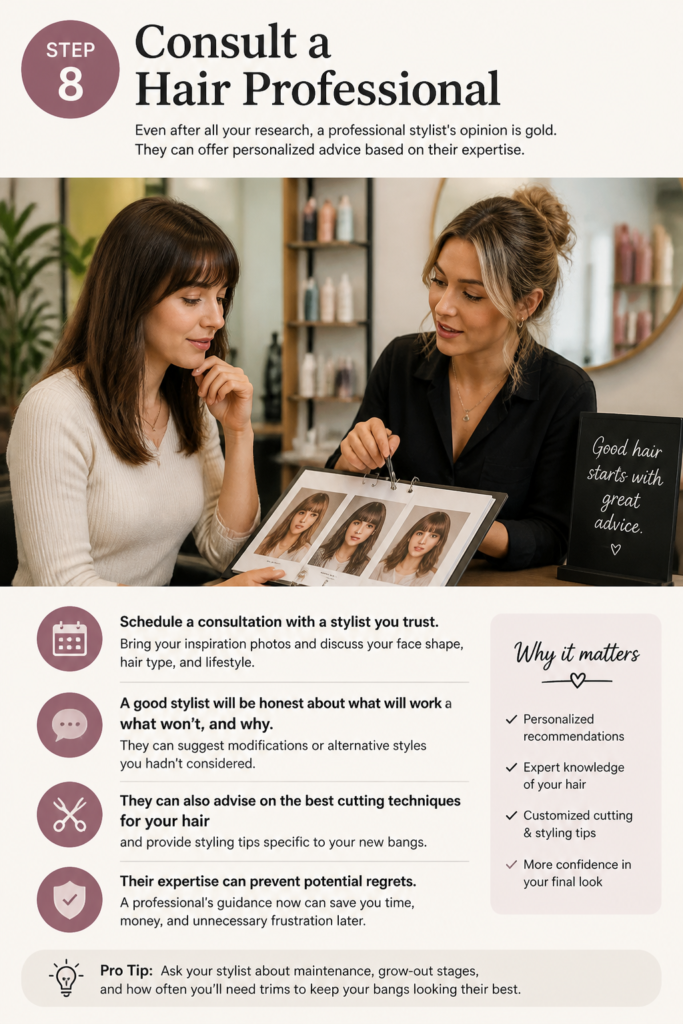
Schedule a consultation with a stylist you trust. Bring your inspiration photos and discuss your face shape, hair type, and lifestyle.
A good stylist will be honest about what will work and what won’t, and why. They can suggest modifications or alternative styles you hadn’t considered.
They can also advise on the best cutting techniques for your hair and provide styling tips specific to your new bangs. Their expertise can prevent potential regrets.
Common Mistakes to Avoid
Ignoring Face Shape
One of the biggest errors is choosing a bang style without considering how it complements your face shape. A style that looks amazing on one person might not enhance another’s features. For instance, heavy blunt bangs on a very round face can sometimes make the face appear even wider, rather than balancing it. Always start with your face shape analysis to guide your choices.
Forgetting Hair Texture
Your hair’s natural texture significantly impacts how bangs will lay and behave. Trying to force a sleek, blunt bang on extremely curly hair without proper cutting techniques and styling can lead to a frustrating daily battle. Similarly, very fine hair might struggle to create the density needed for certain styles. Be realistic about what your hair naturally wants to do.
Underestimating Maintenance
Bangs are not a “set it and forget it” hairstyle. They often require daily styling, frequent trims, and sometimes even extra washing. Many people get bangs only to realize they don’t have the time or patience for the upkeep, leading to frustration. Before committing, truly consider if you’re prepared for the ongoing maintenance.
DIY Cutting
Attempting to cut your own bangs at home is a common mistake that often leads to uneven, too-short, or poorly shaped results. Bangs require precision and skill to cut correctly, especially when considering the subtle angles and layering needed to frame the face. Always leave bang cutting, and especially the initial cut, to a professional stylist.
Troubleshooting
Bangs Look Too Flat/Greasy
If your bangs are losing volume or becoming oily quickly, it’s a common issue. Your forehead’s natural oils and frequent touching can contribute to this.
To resolve this, try using dry shampoo specifically on your bangs. Lift sections of your bangs and spray lightly at the roots, then gently massage it in. This absorbs excess oil and adds volume. You might also want to wash your bangs separately in the sink between full hair washes.
Bangs Don’t Lay Right
Sometimes bangs have a mind of their own, refusing to sit correctly. This can be due to cowlicks, hair growth patterns, or improper styling techniques.
When styling, use a small round brush and a hairdryer on a low-to-medium heat setting. Brush your bangs from side to side as you dry them, then pull them straight down. This helps “train” the hair. A light-hold hairspray or a touch of styling cream can also help them stay in place. For stubborn cowlicks, drying them immediately after washing is key.
Bangs Are Growing Out Awkwardly
The grow-out phase can be challenging, with bangs often hitting an awkward length. Don’t despair, there are ways to manage this.
Style them as curtain bangs, parting them in the middle and sweeping them to the sides. Use bobby pins, decorative clips, or headbands to pull them back or blend them into the rest of your hair. You can also ask your stylist for a “bang trim” that focuses on softening the edges and blending them into longer layers, making the grow-out process much smoother.
Key Takeaways
- Your unique face shape is the primary factor in determining which bang styles will flatter you most.
- Hair type and texture dictate how bangs will behave and the level of daily styling required.
- Utilize mock-ups and virtual try-on tools to visualize bangs before making a permanent change.
- Realistic expectations about maintenance, including daily styling and regular trims, are crucial for bang satisfaction.
- Always seek a professional hair stylist’s advice for the initial cut and ongoing maintenance to ensure the best results.
- There’s a bang style for nearly everyone; it’s all about finding the right match for your features and lifestyle.
Frequently Asked Questions
Can bangs suit curly hair?
Absolutely, bangs can look fantastic on curly hair! The key is a proper cut that works with your curl pattern, not against it. Opt for longer, layered, or curtain-style curly bangs that embrace texture rather than trying to force them straight.
How often do I need to trim bangs?
Bangs typically need trimming every two to four weeks to maintain their shape and length. This frequent upkeep is one of the main commitments of having bangs. Your stylist might offer complimentary bang trims between full haircuts.
Do bangs make you look younger?
Bangs can often create a more youthful appearance by softening facial features, covering forehead lines, and drawing attention to the eyes. A wispy or side-swept fringe can provide a gentle, fresh look that can be very flattering.
What if I hate my bangs after getting them?
If you’re not loving your new bangs, don’t panic. There are many ways to style them during the grow-out phase. You can pin them back with clips, use headbands, or style them as curtain bangs. Speak to your stylist about blending them into longer layers to make the grow-out process easier and more stylish.
Our Top Recommended Finds
- Dry Shampoo: Essential for refreshing bangs between washes, absorbing oil, and adding quick volume without wetting your hair.
- Mini Flat Iron or Small Round Brush: Perfect for precise styling and smoothing bangs quickly, especially for those with cowlicks or waves.
- Styling Cream or Lightweight Mousse: Helps to control frizz, add definition, and keep bangs in place without making them stiff or greasy.
Ready to Frame Your Face?
Taking the leap into bangs can feel like a big step, but with the right preparation, it’s an exciting opportunity to refresh your look. You now have the tools and knowledge to confidently assess if bangs are your next best hairstyle.
Don’t let uncertainty hold you back from exploring a new you. Consider your face shape, embrace your hair’s natural beauty, and imagine the possibilities. Why not take the first step today and start visualizing your perfect fringe?