👀 How To Get Rid Of Bags Under Eyes Fast
Waking up to puffy, tired-looking eyes can instantly dampen your day.
We’ve all been there, catching that unwelcome reflection in the mirror.
Having personally navigated the frustration of under-eye bags, I’ve discovered practical, quick solutions that truly work, and I’m eager to share them with you.

Quick Overview
This guide will equip you with effective strategies to reduce under-eye bags rapidly. You’ll learn immediate fixes and simple habits to keep them at bay.
- Time needed: 15-30 minutes for immediate relief; ongoing daily for prevention
- Difficulty: Beginner
- What you’ll need: Cold compresses, water, a good pillow, gentle eye cream, and a bit of patience
Step-by-Step Instructions
Step 1: Understand the Culprit
Before you can tackle under-eye bags, it helps to know why they appear. They often result from fluid retention, lack of sleep, allergies, or even genetics.
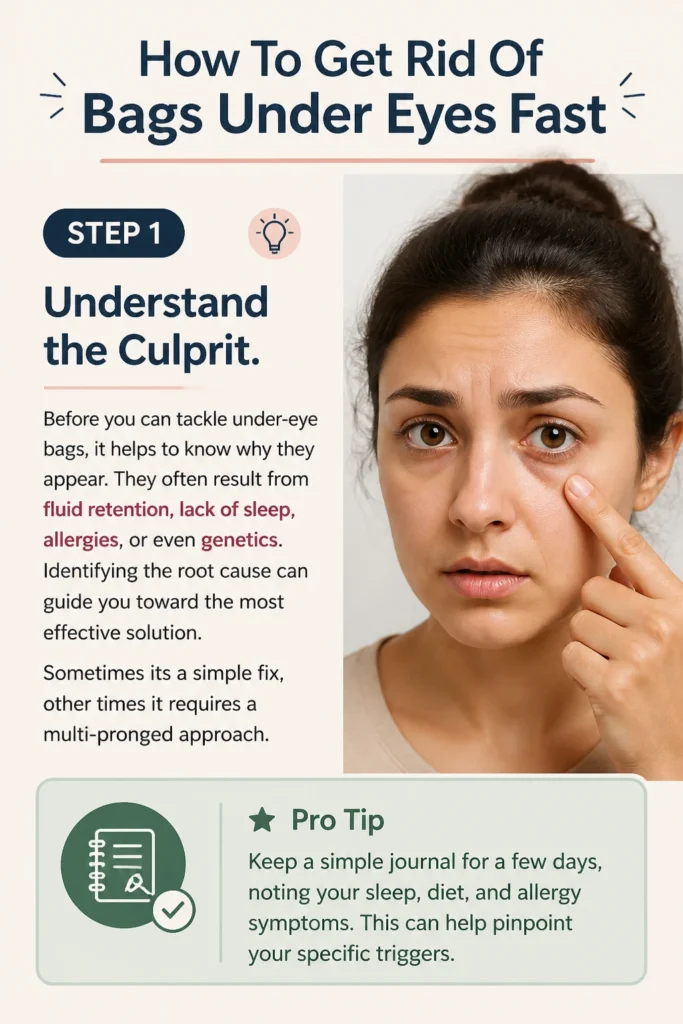
Identifying the root cause can guide you toward the most effective solution. Sometimes it’s a simple fix, other times it requires a multi-pronged approach.
Pro Tip: Keep a simple journal for a few days, noting your sleep, diet, and allergy symptoms. This can help pinpoint your specific triggers.
Step 2: Apply a Cold Compress Immediately
This is your fastest, most direct line of defense against puffiness. Cold constricts blood vessels, reducing swelling and inflammation quickly.
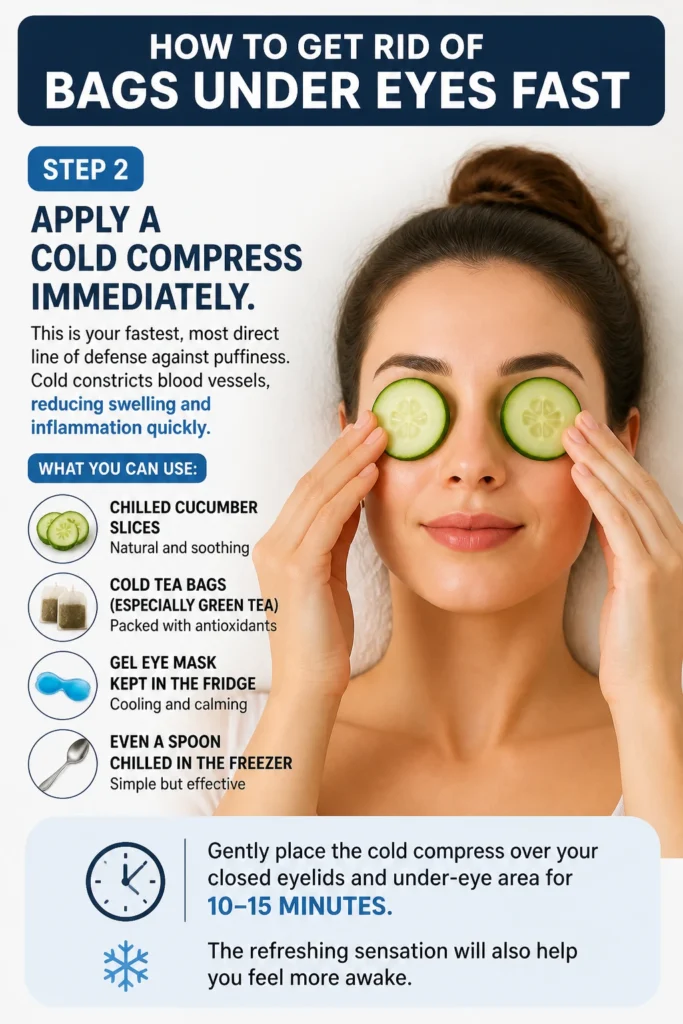
You can use chilled cucumber slices, cold tea bags (especially green tea for its antioxidants), or a gel eye mask kept in the fridge. Even a spoon chilled in the freezer works wonders.
Gently place the cold compress over your closed eyelids and under-eye area for 10-15 minutes. The refreshing sensation will also help you feel more awake.
Step 3: Elevate Your Head While Sleeping
Gravity plays a significant role in fluid accumulation around your eyes overnight. Lying flat can allow fluid to pool, leading to puffiness in the morning.
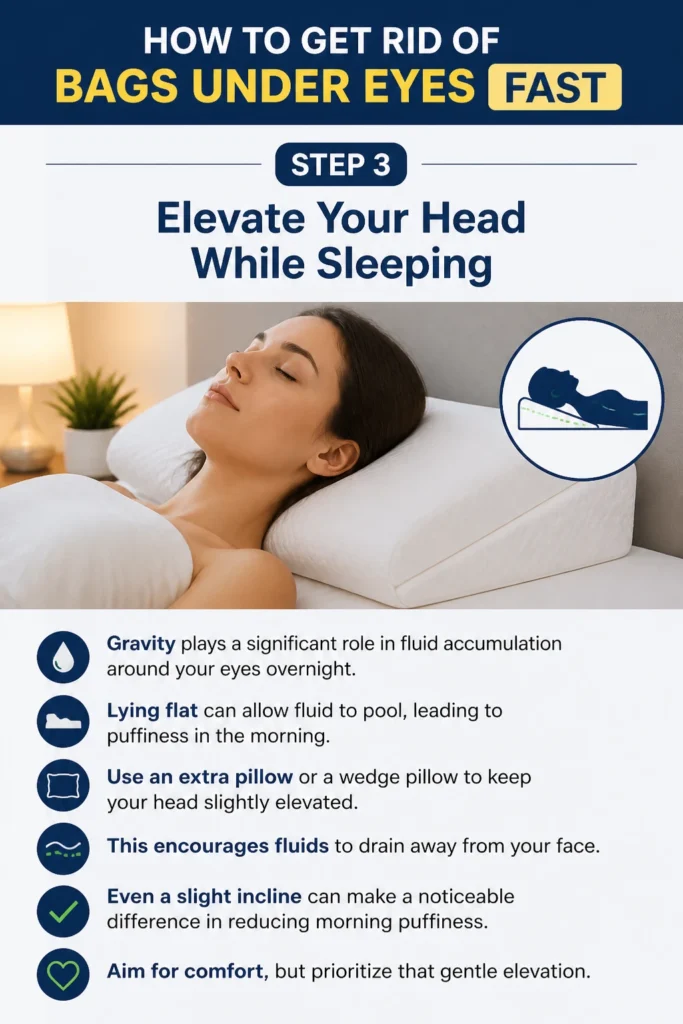
Use an extra pillow or a wedge pillow to keep your head slightly elevated. This encourages fluids to drain away from your face.
Even a slight incline can make a noticeable difference in reducing morning puffiness. Aim for comfort, but prioritize that gentle elevation.
Step 4: Hydrate Thoroughly
Dehydration can sometimes cause your body to retain water as a protective mechanism, leading to puffiness. Drinking enough water is crucial for overall skin health and reducing fluid retention.
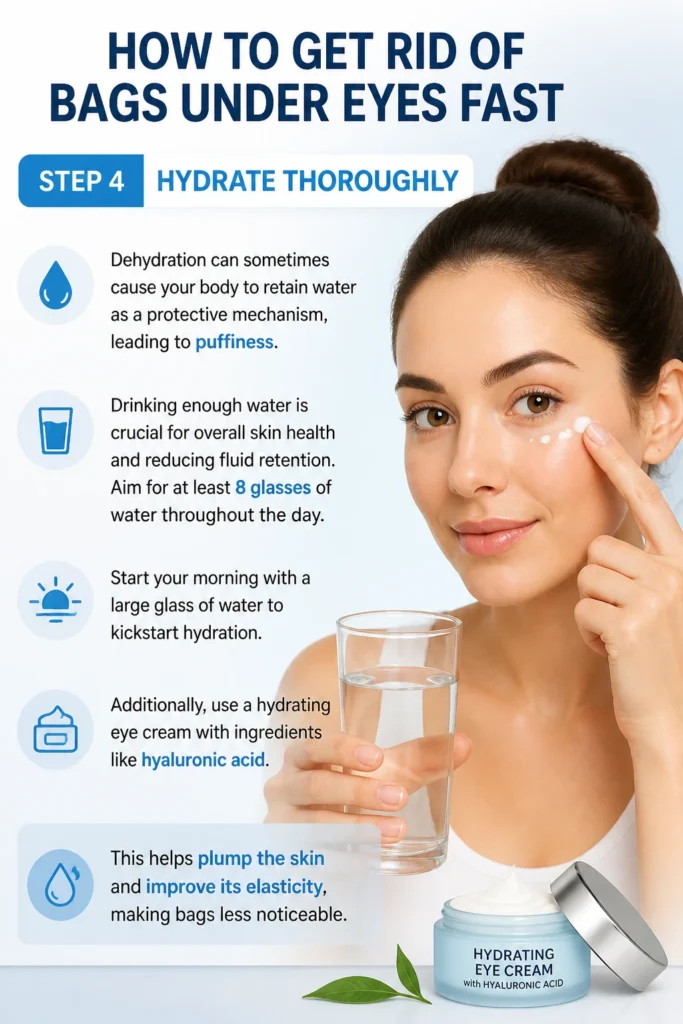
Aim for at least 8 glasses of water throughout the day. Start your morning with a large glass of water to kickstart hydration.
Additionally, use a hydrating eye cream with ingredients like hyaluronic acid. This helps plump the skin and improve its elasticity, making bags less noticeable.
Step 5: Perform Gentle Lymphatic Drainage Massage
A gentle massage can help move stagnant fluid away from the under-eye area. Your lymphatic system is responsible for draining toxins and excess fluid.
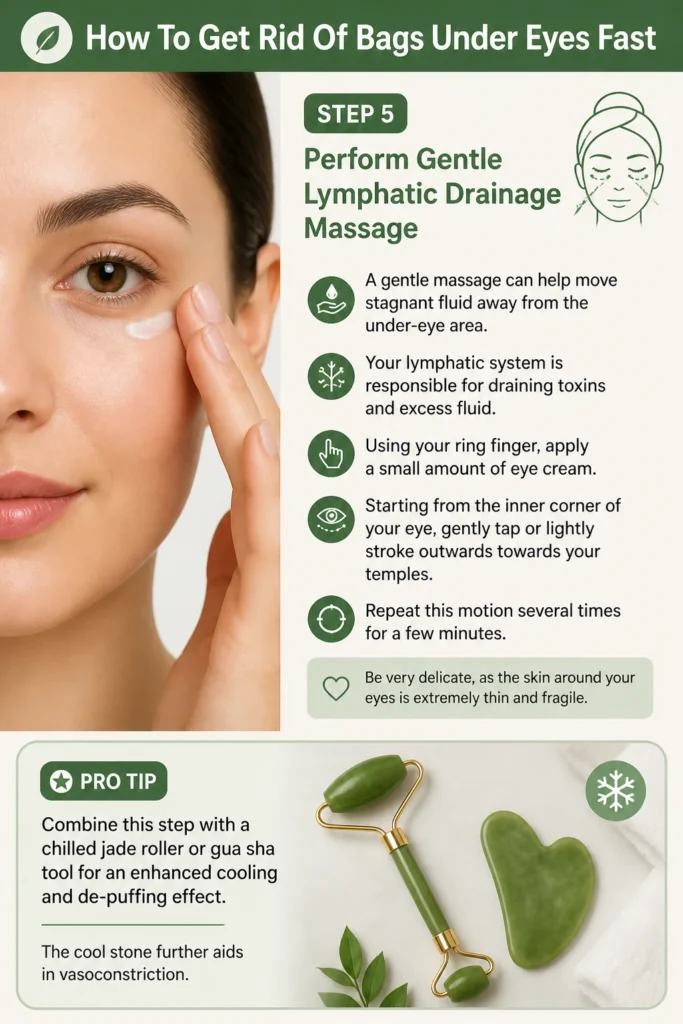
Using your ring finger, apply a small amount of eye cream. Starting from the inner corner of your eye, gently tap or lightly stroke outwards towards your temples.
Repeat this motion several times for a few minutes. Be very delicate, as the skin around your eyes is extremely thin and fragile.
Pro Tip: Combine this step with a chilled jade roller or gua sha tool for an enhanced cooling and de-puffing effect. The cool stone further aids in vasoconstriction.
Step 6: Incorporate Caffeine-Infused Products
Caffeine is a vasoconstrictor, meaning it temporarily narrows blood vessels. When applied topically, it can quickly reduce swelling and tighten the skin.
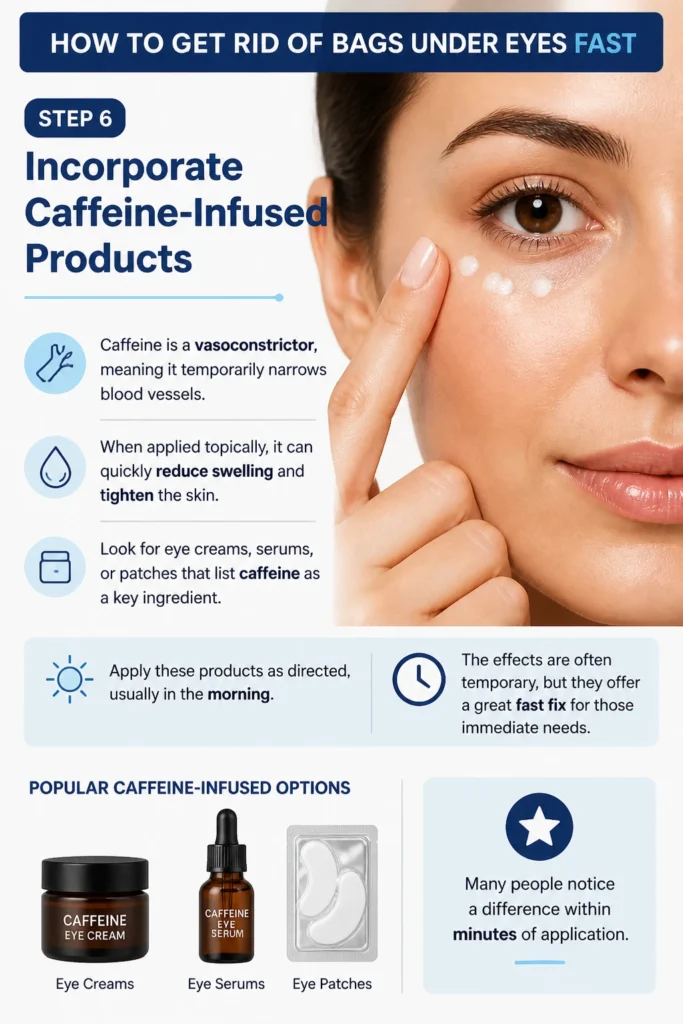
Look for eye creams, serums, or patches that list caffeine as a key ingredient. Apply these products as directed, usually in the morning.
The effects are often temporary, but they offer a great fast fix for those immediate needs. Many people notice a difference within minutes of application.
Step 7: Watch Your Sodium Intake
High sodium consumption can lead to water retention throughout your body, including under your eyes. Salty foods are a common culprit for morning puffiness.

Try to limit processed foods, canned soups, and restaurant meals, which are often high in sodium. Opt for fresh, whole foods whenever possible.
Reading food labels can help you become more aware of hidden sodium. Reducing salt intake can significantly lessen fluid retention over time.
Step 8: Manage Allergies and Irritants
Allergies are a common cause of itchy, watery, and puffy eyes. Histamine release during an allergic reaction can lead to swelling.
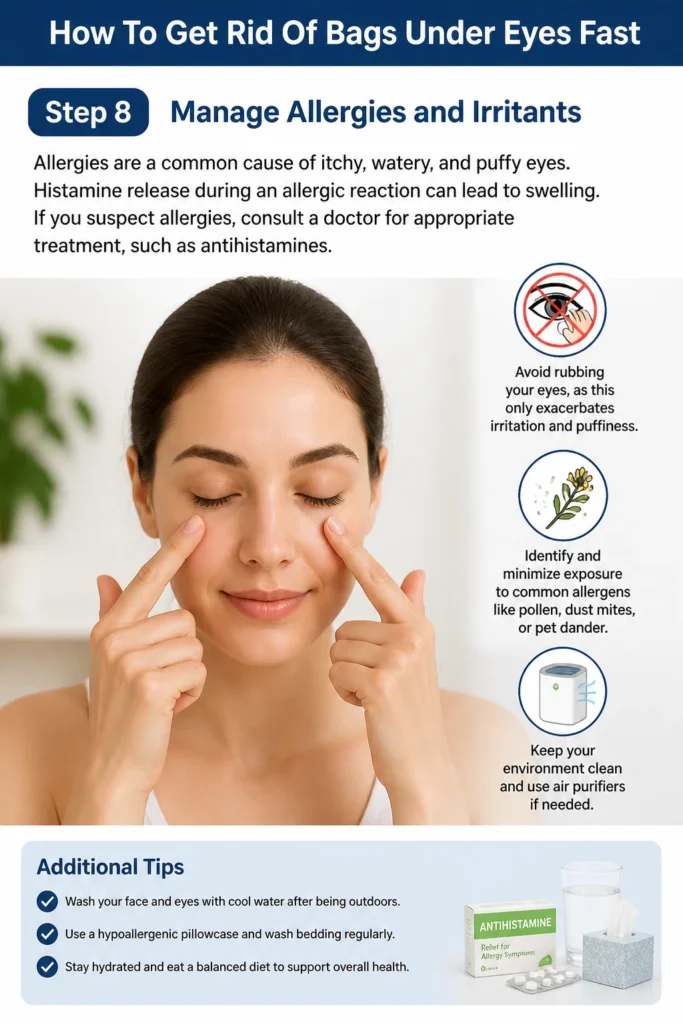
If you suspect allergies, consult a doctor for appropriate treatment, such as antihistamines. Avoid rubbing your eyes, as this only exacerbates irritation and puffiness.
Identify and minimize exposure to common allergens like pollen, dust mites, or pet dander. Keep your environment clean and use air purifiers if needed.
Step 9: Get Quality Sleep
While this isn’t an “instant” fix, consistent, good quality sleep is paramount for preventing under-eye bags. Lack of sleep can make blood vessels more prominent and lead to fluid pooling.
Aim for 7-9 hours of uninterrupted sleep each night. Establish a relaxing bedtime routine to improve sleep quality.
Going to bed and waking up at the same time each day, even on weekends, can regulate your body’s natural rhythms. This consistency helps reduce the likelihood of morning puffiness.
Common Mistakes to Avoid
Rubbing Your Eyes Vigorously
The skin around your eyes is incredibly delicate. Rubbing it harshly can break capillaries, cause irritation, and worsen puffiness and dark circles.
Always use a gentle patting motion when applying products or drying your face. Treat this area with the utmost care to prevent damage.
Ignoring Hydration
Many people overlook the simple power of water. Dehydration can exacerbate under-eye bags by signaling your body to hold onto fluid.
Make a conscious effort to drink water consistently throughout the day. This supports overall health and keeps your skin looking its best.
Relying Solely on Makeup
While concealer can be a great temporary camouflage, it doesn’t address the underlying issue. Over-applying makeup can even draw more attention to the area.
Focus on treating the problem first, then use makeup to enhance your results. A light hand with concealer is always best.
Using Harsh Skincare Products
Strong ingredients or abrasive scrubs designed for other parts of your face can irritate the sensitive under-eye skin. This irritation can lead to more swelling and redness.
Always choose products specifically formulated for the eye area. These are typically gentler and contain ingredients suited for delicate skin.
Troubleshooting
Persistent Bags Despite Efforts
If you’ve tried these methods consistently and still see prominent bags, it might be due to deeper issues. Genetics play a significant role for some people, or it could indicate an underlying medical condition.
Consult a dermatologist or your general practitioner. They can rule out medical causes like thyroid issues or severe allergies, or discuss professional treatments like fillers or blepharoplasty if appropriate.
Dark Circles Also Present
Under-eye bags and dark circles often appear together but have different primary causes. Dark circles can be due to thin skin revealing blood vessels, hyperpigmentation, or shadowing from puffiness.
For dark circles, look for products with brightening ingredients like Vitamin C, retinol (use very gently), or niacinamide. Addressing the puffiness will also often reduce the shadow effect of dark circles.
Skin Irritation from Products
The skin around the eyes is highly sensitive. If you experience redness, itching, or burning after applying a product, discontinue use immediately.
Perform a patch test on a small, inconspicuous area of skin before applying new products to your entire eye area. Opt for hypoallergenic and fragrance-free formulations if you have sensitive skin.
Key Takeaways
- Cold compresses offer the fastest relief for immediate puffiness.
- Elevating your head during sleep prevents fluid accumulation overnight.
- Consistent hydration, both internally and externally, is vital for prevention.
- Gentle lymphatic massage can help drain excess fluid from the area.
- Caffeine-infused eye products provide temporary tightening and de-puffing.
- Managing diet (low sodium) and allergies significantly reduces recurrence.
Frequently Asked Questions
Are under-eye bags permanent?
Not always. While some under-eye bags are genetic or a natural part of aging (due to fat pads shifting), many are temporary and caused by lifestyle factors. Addressing sleep, diet, hydration, and allergies can often reduce or eliminate them.
Can diet really impact under-eye bags?
Absolutely. High sodium intake is a major contributor to fluid retention, which directly causes puffiness. Reducing salt and staying well-hydrated can make a noticeable difference in preventing bags.
Do cucumbers actually work for under-eye bags?
Yes, they do! Cucumbers are mostly water, so they provide excellent hydration and a cooling effect. They also contain antioxidants and flavonoids that can help reduce irritation and swelling, making them a classic effective remedy.
When should I see a doctor about my under-eye bags?
If your under-eye bags are persistent, accompanied by pain, itching, or redness, or if they appear suddenly and worsen, it’s wise to consult a doctor. This could indicate an underlying medical condition or a severe allergic reaction that needs professional attention.
Our Top Recommended Finds
- Chilled Gel Eye Mask: Reusable and convenient for quick de-puffing sessions.
- Hydrating Eye Cream with Hyaluronic Acid & Caffeine: A dual-action product to plump skin and reduce swelling.
- Jade Roller or Gua Sha Tool: Excellent for gentle lymphatic massage and enhancing product absorption.
Embrace Your Brighter Reflection
Taking action against under-eye bags isn’t just about appearance; it’s about feeling refreshed and confident.
By implementing these practical steps, you’re not only addressing a common concern but also embracing healthier daily habits.
Start today, and begin your journey to brighter, more vibrant eyes.