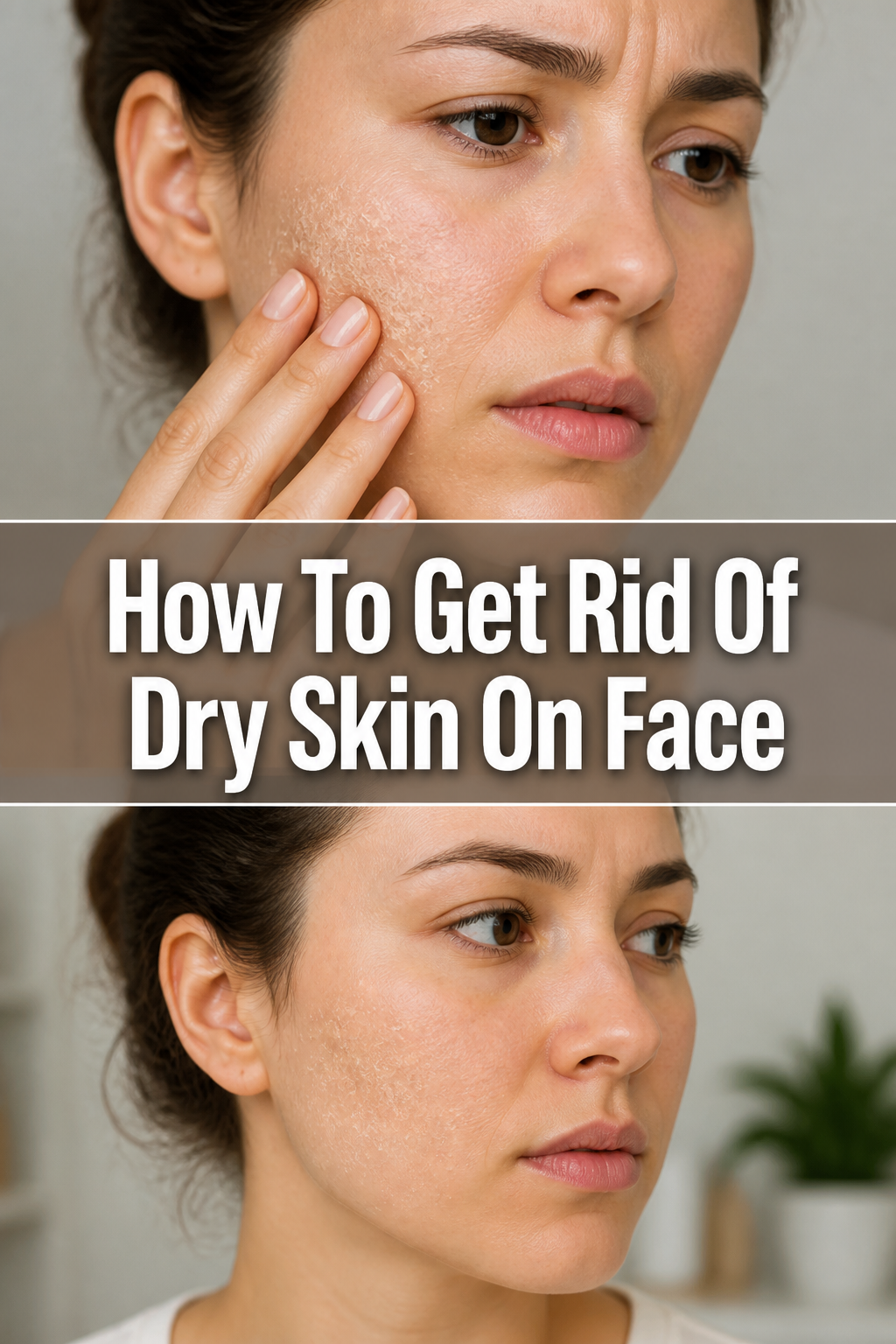
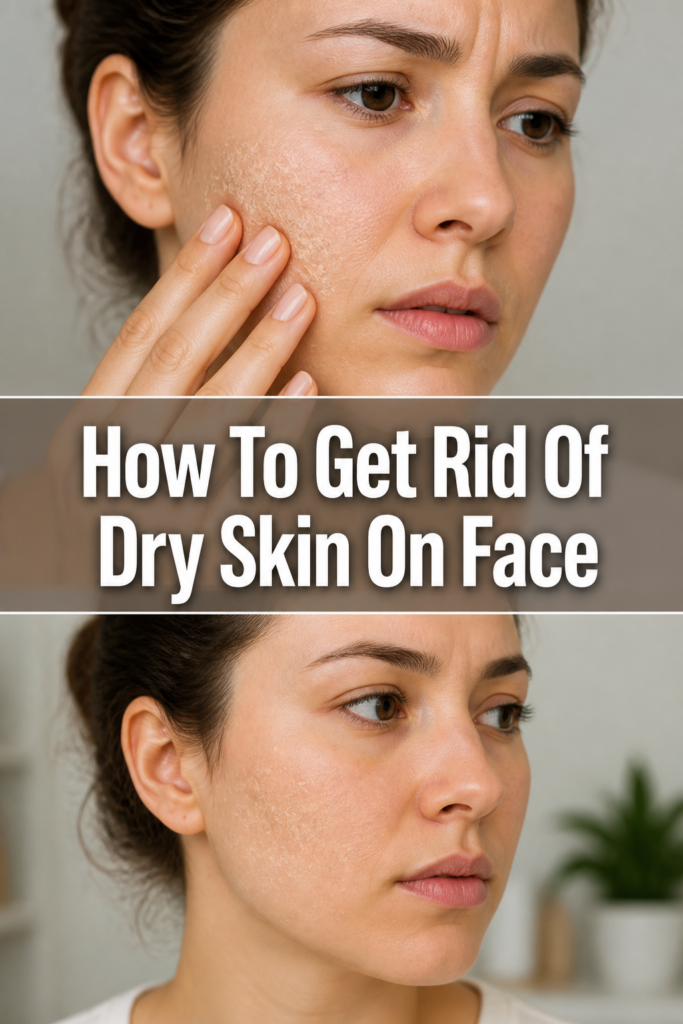
💧 How To Get Rid Of Dry Skin On Face
Dry skin on your face can feel tight, itchy, and uncomfortable. It’s a common issue that many people face, especially with changing weather or certain products. I’ve personally dealt with persistent dryness, and finding the right routine made a world of difference.
This guide shares practical, proven steps to soothe and hydrate your skin, based on years of experience and research. You’ll learn how to transform your dry complexion into soft, supple skin.
Quick Overview
This guide will equip you with a comprehensive plan to tackle facial dryness. You’ll learn about gentle cleansing, effective moisturizing, and protective measures.
By following these steps, you’ll achieve lasting hydration and a healthier-looking complexion.
- Time needed: 15-30 minutes (daily routine)
- Difficulty: Beginner
- What you’ll need: Gentle cleanser, hydrating moisturizer, sunscreen, optional serum/oil, humidifier.
Step-by-Step Instructions
Step 1: Understand Your Dry Skin
Before treating dry skin, it helps to know why it’s happening. Environmental factors like cold weather or low humidity often play a role.
Harsh skincare products, hot showers, and even certain medical conditions can also strip your skin of its natural oils. Identifying potential triggers is the first step towards a solution.
Step 2: Cleanse Gently and Wisely
The way you wash your face significantly impacts its hydration levels. Hot water and harsh cleansers can strip away essential moisture, leaving your skin feeling tight.
Opt for lukewarm water and a mild, hydrating cleanser that doesn’t foam excessively. Look for ingredients like ceramides, hyaluronic acid, or glycerin.
- Choose a cream-based or oil-based cleanser.
- Wash your face with lukewarm water, never hot.
- Massage the cleanser onto your skin for about 30-60 seconds.
- Rinse thoroughly but gently, ensuring no residue remains.
- Pat your skin dry with a soft towel, rather than rubbing. Leave it slightly damp.
Pro Tip: Cleansing only once a day, in the evening, might be enough if your skin is extremely dry. A quick splash of water in the morning can suffice.
Step 3: Hydrate Immediately with Moisturizer
Moisturizing is the cornerstone of treating dry skin. The best time to apply it is right after cleansing, while your skin is still slightly damp.
This technique helps to lock in moisture, preventing it from evaporating. A good moisturizer acts as a barrier, protecting your skin throughout the day.
- Apply your chosen moisturizer within one minute of patting your face dry.
- Use a generous amount, ensuring full coverage of your face and neck.
- Gently massage the product into your skin using upward strokes.
- Look for rich creams containing ingredients like ceramides, shea butter, hyaluronic acid, or petrolatum.
Pro Tip: Consider having a lighter moisturizer for daytime under makeup and a richer, more occlusive one for nighttime. This provides round-the-clock hydration.
Step 4: Layer with a Hydrating Serum or Facial Oil
For an extra boost of hydration, consider adding a serum or facial oil to your routine. These products deliver concentrated active ingredients directly to your skin.
Serums typically go on before moisturizer, while oils can be applied before or mixed into your moisturizer. They add another layer of protection and nourishment.
- Choose a serum with hyaluronic acid, glycerin, or niacinamide.
- Apply a few drops of serum to your damp face after cleansing and before moisturizer.
- Alternatively, integrate a few drops of a non-comedogenic facial oil (like squalane or argan oil).
- Press the oil gently into your skin.
Step 5: Protect Your Skin Daily with Sunscreen
Sun exposure can further damage the skin barrier, exacerbating dryness and sensitivity. Protecting your skin from UV rays is crucial, even on cloudy days.
Choose a broad-spectrum sunscreen with an SPF of 30 or higher. Many sunscreens now include hydrating ingredients, making them ideal for dry skin types.
- Select a hydrating sunscreen formulated for dry or sensitive skin.
- Apply sunscreen as the last step in your morning skincare routine.
- Ensure you use enough to cover your entire face and neck.
- Reapply throughout the day if you are outdoors or sweating.
Step 6: Integrate a Humidifier Indoors
The air in your home can significantly impact your skin’s moisture levels. Dry indoor air, especially during winter or with air conditioning, pulls moisture from your skin.
A humidifier adds moisture back into the air, creating a more skin-friendly environment. This simple change can make a big difference in preventing dryness.
- Place a humidifier in your bedroom.
- Run it at night while you sleep.
- Clean the humidifier regularly to prevent mold and bacteria growth.
Step 7: Adjust Your Diet and Hydration Habits
What you put into your body reflects on your skin. A diet rich in healthy fats and antioxidants supports skin barrier function and overall hydration.
Drinking enough water is also fundamental for maintaining skin plumpness and elasticity. These internal factors are just as important as external treatments.
- Consume foods rich in omega-3 fatty acids, like salmon, flaxseeds, and walnuts.
- Include plenty of fruits and vegetables in your diet for antioxidants.
- Drink adequate amounts of water throughout the day.
- Limit excessive caffeine and alcohol, which can dehydrate you.
Step 8: Consider Overnight Treatments
Nighttime is an excellent opportunity for intensive skin repair. Your skin naturally regenerates while you sleep, making it receptive to nourishing treatments.
Overnight masks or richer creams can provide prolonged hydration and help restore your skin’s barrier. They work while you rest to wake up with softer skin.
- Apply a thick layer of a hydrating sleeping mask or a very rich night cream.
- Look for ingredients like ceramides, hyaluronic acid, or squalane.
- Use these treatments 2-3 times a week, or as needed.
Common Mistakes to Avoid
Over-Exfoliating Your Skin
Many people believe exfoliation is key to soft skin, but overdoing it can be detrimental for dry complexions. Physical scrubs with harsh particles can create micro-tears in the skin barrier.
Chemical exfoliants, especially those with high concentrations of AHAs or BHAs, can strip natural oils and increase sensitivity. Limit exfoliation to once a week at most, using a very gentle product if necessary, or avoid it entirely until your skin barrier is restored.
Using Hot Water for Cleansing
A steamy shower or hot face wash might feel relaxing, but it’s terrible for dry skin. Hot water dissolves the natural oils (sebum) that protect your skin’s barrier.
This leaves your skin feeling even drier and tighter after washing. Always use lukewarm water for cleansing your face to preserve its natural moisture.
Ignoring the Importance of Sunscreen
Some people skip sunscreen on cloudy days or when they’ll only be indoors for short periods. However, UV radiation is present year-round and can penetrate windows.
Sun exposure damages the skin barrier, making it harder for your skin to retain moisture. Consistent daily sunscreen use is vital for preventing further dryness and protecting your skin’s health.
Not Addressing Internal Factors
Focusing solely on topical products without considering diet and hydration is a common oversight. Skin health is deeply connected to overall body health.
Dehydration, nutrient deficiencies, or even certain medications can manifest as dry skin. Ensure you’re drinking enough water and eating a balanced diet to support your skin from within.
Troubleshooting
Skin Still Feels Flaky After a Week
If your skin remains flaky despite following the routine, your current products might not be hydrating enough. Check the ingredients list of your moisturizer and cleanser.
Look for richer, more occlusive ingredients like petrolatum, mineral oil, or shea butter. You might also need to increase the frequency of your hydrating serum or overnight mask applications.
Skin Feels Tight Even With Moisturizer
Tightness often indicates that your skin barrier is severely compromised and struggling to retain moisture. Ensure you are applying moisturizer to damp skin immediately after cleansing.
Consider layering a hydrating facial oil over your moisturizer to create a stronger occlusive barrier. Also, check for any irritating ingredients in your products that might be counteracting hydration.
Breakouts Occurring with New Routine
Sometimes, introducing new products, especially richer ones, can lead to breakouts. This might mean the product is too heavy for your specific skin type, even if it’s dry.
Look for non-comedogenic moisturizers and oils, which are less likely to clog pores. Introduce new products one at a time to identify the culprit, and consider switching to a lighter yet still hydrating alternative.
Key Takeaways
- Cleanse Gently: Use lukewarm water and a mild, hydrating cleanser to avoid stripping natural oils.
- Moisturize Immediately: Apply a rich moisturizer to damp skin within a minute of washing to lock in hydration.
- Layer for Boost: Incorporate hydrating serums or facial oils for an extra dose of nourishment.
- Protect Daily: Always use a broad-spectrum sunscreen to shield your skin from damaging UV rays.
- Hydrate Internally: Drink plenty of water and eat a diet rich in healthy fats and antioxidants.
- Optimize Environment: Use a humidifier, especially during dry seasons, to add moisture to the air.
Frequently Asked Questions
How often should I moisturize my face?
You should moisturize your face at least twice a day: once in the morning after cleansing and once in the evening. If your skin is extremely dry, you might find it beneficial to apply a thin layer whenever your skin feels tight or uncomfortable, even if it’s a third time.
Can makeup make dry skin worse?
Yes, certain types of makeup can exacerbate dry skin. Powder foundations or mattifying formulas can absorb moisture, making dry patches more noticeable. Opt for hydrating liquid or cream foundations, and always prep your skin with a good moisturizer and hydrating primer before applying makeup.
Are natural oils good for dry skin?
Many natural oils can be excellent for dry skin. Oils like squalane, argan, jojoba, and rosehip are rich in fatty acids and can help replenish the skin’s lipid barrier. However, always choose non-comedogenic oils and perform a patch test first to ensure they don’t cause irritation or breakouts.
When should I see a dermatologist for dry skin?
If your dry skin persists despite consistent home care, becomes very painful, cracks, bleeds, or is accompanied by severe itching and redness, it’s time to see a dermatologist. They can diagnose underlying conditions like eczema or psoriasis and prescribe stronger treatments if needed.
Our Top Recommended Finds
- Ceramide-Rich Moisturizer: Look for a cream specifically formulated with ceramides. These are essential lipids that help restore and strengthen the skin’s barrier, critical for retaining moisture.
- Gentle Hydrating Cleanser: Choose a non-foaming, cream, or oil-based cleanser. These types clean effectively without stripping your skin of its natural, protective oils.
- Portable Humidifier: A small, quiet humidifier for your bedroom can make a significant difference. It introduces moisture into the air, preventing your skin from drying out overnight.
Embrace Your Radiant Glow
You now have a comprehensive roadmap to conquer dry skin on your face. Remember, consistency is your most powerful tool in this journey.
Give your skin time to respond to these changes, and be patient with the process. Each step you take contributes to a healthier, more comfortable complexion.
Start today by making one small change to your routine. Your skin will thank you for the care and attention.